
As you’re surely aware, the inhumanly prolific Taylor Alison Swift released a new album the other night. Well, she released a surprise double album. (Triple album? I don’t know. It has 31 songs. So far.) This brings her to a total of ten albums (if you count The Long Pond Sessions limited vinyl, which I do) and 240 tracks recorded and released since 23 August 2019 (along with three films and the most successful concert of all time).
Yes, that’s an average of more than one song per week over the past five years. Crazy crazy work ethic this woman has.
Another example of Taylor’s prolific nature: It seems that all (or nearly all) 31 of these songs were written and recorded in the past year (because they chronicle events from the past year — some events as recent as February 11!). Think about that. She wrote and recorded all of this while also doing everything else she’s been doing. And don’t forget that during the pandemic, she wrote and recorded two albums: Folklore released 24 July 2020 and Evermore released 11 December 2020. Where does she find the time?
So, as an avid Swiftie, what do I think of The Tortured Poets Department? It’s complicated. Or maybe it’s not.
First Impressions
Taylor Swift has always used music (and poetry) as a confessional, but never more so than on this record. On Tortured Poets, she’s shockingly up-front about her personal challenges, especially her struggles with mental health (brought on, in part, by the pressures of enormous fame). Fans are having mixed reactions to this. A lot of them don’t like TTPD. I dolike it. In fact, I think it just might be her best album yet — but I didn’t at first.
My first listen came at low volume while drifting to sleep Thursday night. My initial reaction was: “Yikes. This is worse than Midnights.”
Midnights (released 18 months ago) is my least favorite Taylor Swift record, but that’s largely due to the production. I like the songs when they’re performed live and/or by other people, but I don’t like them on the album itself. They way they’re produced drives me nuts.
I’m actually a fan of producer Jack Antonoff, but I sometimes think his collab with Taylor yields unlistenable results. Not sure why. And on my first listen to TTPD — late at night while falling asleep — I felt like the combo was the worst it had ever been.
Then, of course, Taylor “surprised” us two hours after the album’s release (though many suspected the surprise) with a second half to the album. This second half is much more heavily weighted toward Folklore/Evermore style stuff produced by Aaron Dessner. Folklore is my second-favorite Swift album (behind 1989), and while Evermore is uneven it has some terrific songs (“Champagne Problems” chief among them.). These sister albums feature a lot of work with Dessner. I like the sound these two produce together.
So, I stayed up late Thursday night (until 2 a.m.!) listening to both halves of the album. On my second listen, I liked the Antonoff songs better than on first listen, but I loved the Dessner songs.
Second Thoughts
On Friday morning, I got a chance to listen to the first half of the album at high volume while walking the dog. My opinion swung firmly from “meh” to “this is (mostly) brilliant”. And now, after six or seven listens, I’ve come to believe it’s all brilliant and may be her best album yet.
This is certainly Swift’s bravest and boldest album, which is why it falls flat for many people. She lays it all out there. It’s clear that she made Tortured Poets for herself, not for the fans (and especially not for casual listeners).
I think this can be best seen with the track “But Daddy I Love Him”, which is a huge “fuck you” to a certain segment of Taylor Swift fandom. No, it’s not “another version of ‘Love Story'”. And especially, no, it has nothing to do with The Little Mermaid. In a way, this song is about the fans who believe this stuff.
“But Daddy I Love Him” is clearly a firm rebuke to those who want to pass judgment on Swift’s private life. It’s a metaphor. But metaphor seems difficult for people to understand in these days of everyone taking everything literally. The song is a renunciation of cancel culture in general, and of Swifties in particular, and I love it. She is so pointed and angry here, kind of the same mood as “All Too Well”.
Here are some sample “But Daddy I Love Him” lyrics:
Sarahs and Hannahs in their Sunday best
Clutchin’ their pearls, sighing, “What a mess”
I just learned these people try and save you
‘Cause they hate you
I’d rather burn my whole life down
Than listen to one more second of all this bitchin’ and moanin’
I’ll tell you something ’bout my good name
It’s mine alone to disgrace
I don’t cater to all these vipers dressed in empath’s clothing
God save the most judgmental creeps
Who say they want what’s best for me
Sanctimoniously performing soliloquies I’ll never see
All the wine moms are still holdin’ out, but fuck ’em, it’s over
If you think this is “Love Story” stuff or The Little Mermaid references, I don’t know what to say. It’s not. This is a song about toxic fandom plain and simple, and it’s awesome. (The lyrics seem to specifically reference fan reaction to Taylor dating Matt Healy, who says and does stupid stuff. Some fans went so far as to draft a letter/petition to Taylor to drop the dude, which is fucking bizarre. Does Taylor then get to have a say in their private lives?)
Angry Taylor is my favorite Taylor. Her righteous wrath is truly a sight to behold.
“But Daddy I Love Him” reminds me of Sinead O’Connor’s “The Emperor’s New Clothes”, which has very similar themes (and has been a personal theme song of mine for thirty years). Or Tracy Chapman’s “Crossroads”. (Also, much of Sturgill Simpson’s fantastic “Sound & Fury” album dives into this.)
And that’s just one of the angry songs on this album. There are many more. The entire album is a bundle of barely-controlled rage.
TTPD also has some of Swift’s funniest songs, such as the hilarious Kim Kardashian diss track, “thanK you aIMee”, in which Taylor ironically thanks her thinly-disguised nemesis because without her meddling, Swift couldn’t have achieved the level of popularity that she has: “When I count the scars, there’s a moment of truth that there wouldn’t be this if there hadn’t been you.”
Delicious stuff.
To me, the funniest line on the album comes at the end of “I Can Fix Him (No Really I Can)”, which is also apparently about Matt Healy. Swift spends the entire song explaining that she “can handle a dangerous man”. She can fix them. But at the end she concludes: “Whoah, maybe I can’t.” Love it.
Changing My Tune
My big complaint on first listen was that I didn’t like the Antonoff/Swift collab and its soul-less tech-heavy sound (also the primary problem with Midnights). But on subsequent listens, I’ve come to realize there’s plenty of soul here, a ton of emotion. Taylor is just trying to hold it all back. She’s quite literally a tortured poet!
I also felt at first that this album lacked the melodies and hooks that Swift is famous for — “[I] put narcotics into all of my songs, and that’s why you’re still singin’ along” she explains on “Who’s Afraid of Little Old Me?” — but after four days, I’ve changed my tune. There’s plenty to beller here once you get to know the songs.
I’ve read a few comments that say these aren’t mature lyrics, that they’re immature lyrics. I disagree. These are the most sophisticated lyrics she’s shared yet, with nuanced songs exploring complex themes.
One of the things I like most about this album is her transparent talk about mental health issues. Have you all watched the lyrics video for “I Can Do It with a Broken Heart” yet? Go watch it on YouTube and come back. It’s gut wrenching.
For years now, I’ve been fascinated by the mental-health effects of fame, how young people struggle to cope with notoriety. For instance, look at what the young performers in Game of Thrones all went through. EVERY ONE OF THEM dealt with mental health issues. Taylor, as one of the most popular performers in the world, is almost bound to deal with similar struggles. She explores this at length on TTPD.
The Bottom Line
The Tortured Poets Department is Taylor Swift’s rawest, most unfiltered album yet. The record also marks a subtle shift from pop-oriented fan service to more mature and complex personal confessional. I 100% understand why this is off-putting for a lot of people. But I also 100% understand why it’s appealing to a lot of people — because it’s appealing to me.
One thing I haven’t seen mentioned elsewhere is how great Swift’s voice sounds on this record. It’s strong, it’s powerful, but also capable of some real subtlety. As one of those who used to wince at her live performances (because her voice was, well, weak), she has come a long, long way in fifteen years. She may not be Celine Dion, but she’s absolutely capable, and she knows how to write songs for her vocal range.
I’m also shocked that in an album containing 31 songs, there’s not a single “skip” for me (yet). Aside from 1989 (also no skips), even my fave Swift albums contain a dud or two. But not TTPD. I’m enjoying every track so far. I could have chosen any of them to feature in this review.
Here are a couple of other standouts.
“The Smallest Man Who Ever Lived”
I love The Tortured Poets Department. It’s currently my third-favorite Swift album. But I suspect it’s destined to top the list.
Nah, fuck it. It’s already my favorite.
[For reference, my ranking of her albums in order: Tortured Poets, 1989, Folklore, Lover, Red, Speak Now, Reputation, Fearless, Evermore, Taylor Swift, Midnights. But every album has songs that I think are great.)
Ten years ago, Kim and I enjoyed a date night at a restaurant on Portland’s south waterfront. I don’t remember the restaurant and I don’t remember the meal. What I do remember is this.
My therapist at the time had just recommended that I begin meditating. She wanted me to emphasize mindfulness in my daily life. She wasn’t the only one. Many folks who knew me well had encouraged me to develop a meditation/mindfulness practice.
When Kim and I stepped into this now-forgotten restaurant, the hostess greeted us with a smile. She told us they were fully booked, but she’d see what she could do. While we waited, I noticed she had a book with her: The Miracle of Mindfulness by Thích Nhất Hạnh.
“What’s that about?” I asked during a lull. “My therapist wants me to develop a mindfulness practice.”
The hostess picked up the book and handed it to me. “Here,” she said. “I want you to have this.”
“Really?” I said. The book was battered. There were sticky notes on many pages. Leafing through, I could see that she’d highlighted important passages and jotted all sorts of notes.
“Yes,” she said. “I want you to have this.” And then she whisked us away to our table.
![[photo of the well-read and annoted version of The Miracle of Mindfulness]](https://jdroth.com/wp-content/uploads/mindfulness-pages.png "I love that she gave me her copy of the book, a copy she'd obviously been actively studying")
I may have forgotten the restaurant and the meal, but I remember that moment. In fact, I think of it often: such a tiny thing, yes, but a genuine act of kindness.
I read The Miracle of Mindfulness soon after, and I added my own notes and highlights and sticky notes to those the hostess had made. Time passed. I forgot much of the book (although one concept stuck with me: While one is washing the dishes, one should only be washing the dishes).
Last summer, I took a solo cruise up the coast of Norway. I spent the month of June re-centering myself. As part of that, I re-read The Miracle of Mindfulness. I bought a new copy just for this purpose, and I made new notes and highlights. The book was a great help on this trip. I tend to get frustrated with other people on cruise ships, but The Miracle of Mindfulness helped me to s-l-o-w down and just accept things as they were.
It occurred to me recently that it might be edifying to use the book as inspiration for future art projects. Last night, I re-read the whole thing (it’s short). Again, I found it helpful. So helpful, in fact, that I decided to take the time to summarize key points from the book in this blog post.
All text that follows is taken directly from the book except [my own thoughts in brackets]. I have compressed and elided passages, and I’ve moved things around. Still, all of the words that follow are from The Miracle of Mindfulness. Also, I’ve bolded passages I especially like.
excerpts from The Miracle of Mindfulness
by Thich Nhat HanhI’ve discovered a way to have a lot more time. In the past, I used to look at my time as if it were divided into several parts. One part I reserved for Joey, another part was for Sue, another part to help with Ana, another part for household work. The time left over I considered my own. I could read, write, do research, go for walks.
But now I try not to divide my time into parts anymore. I consider my time with Joey and Sue as my own time. When I help Joey with his homework, I try to find ways of seeing his time as my own time. I go through his lessons with him, sharing his presence and finding ways to be interested in what we do during that time. The time for him becomes my own time. The same with Sue. The remarkable thing is that now I have unlimited time for myself!
***When one is washing the dishes, one should only be washing the dishes.
There are two ways to wash the dishes. The first is to wash the dishes in order to have clean dishes and the second is to wash the dishes in order to wash the dishes. I choose the second way.
If while washing dishes, we think only of the cup of tea that awaits us, thus hurrying to get the dishes out of the way, then we are not washing the dishes to wash the dishes. What’s more, we are not alive during the time we are washing the dishes.
If we can’t wash the dishes, the chances are we won’t be able to drink the tea either. While drinking the tea, we will only be thinking of other things.
***“Mindfulness” refers to keeping one’s consciousness alive to the present reality.
People usually consider walking on water or in thin air a miracle. But I think the real miracle is not to walk either on water or in thin air, but to walk on the earth. Every day we are engaged in a miracle which we don’t even recognize: a blue sky, white clouds, green leaves, the black curious eyes of a child — our own two eyes. All is a miracle.
[This reminds me of a stanza from a poem by e.e. cummings: “i thank You God for most this amazing day:for the leaping greenly spirits of trees and a blue true dream of sky;and for everything which is natural which is infinite which is yes”]
Active, concerned people don’t have time to spend leisurely, walking along paths of green grass and sitting beneath trees. Then how are we to practice mindfulness?
Keep your attention focused on the work, be alert and ready to handle ably and intelligently any situation which may arise — this is mindfulness. A calm heart and self-control are necessary if one is to obtain good results.
Mindfulness is the miracle by which we master and restore ourselves. Concentration power is the strength which comes from practicing mindfulness.
Whenever your mind becomes scattered, use your breath as the means to take hold of your mind again. Breath is a tool. Breath itself is mindfulness.
Each act must be carried out in mindfulness. Each act is a rite, a ceremony.
***Each person should try hard to reserve one day out of each week to devote entirely to their practice of mindfulness. Don’t do any task in order to get it over with. Resolve to do each job in a relaxed way, with all your attention. Enjoy and be one with your work. For those who are just beginning to practice, it is best to maintain a spirit of silence throughout the day.
In the morning, after you have cleaned and straightened up your house, and in the afternoon, after you have worked in the garden or watched clouds or gathered flowers, prepare a pot of tea to sit and drink in mindfulness. Allow yourself a good length of time to do this.
Don’t drink your tea like someone who gulps down a cup of coffee during a workbreak. Drink your tea slowly and reverently, as if it is the axis on which the whole earth revolves — slowly, evenly, without rushing toward the future. Live the actual moment.
Only this actual moment is life. Don’t be attached to the future. Don’t worry about things you have to do. Don’t think about getting up or taking off to do anything. Don’t think about departing.
***You cannot go as far in meditation lying down as by sitting. Keep your back straight. Keep your eyes focused a yard or two in front of you. If you can, maintain a half smile.
Now begin to follow your breath and to relax all of your muscles. As for for everything else, let it go. Hold onto nothing but your breath and the half smile. For beginners, it is better to sit no longer than 20 or 30 minutes.
Some people look on meditation as a toil and want the time to pass quickly. Such persons do not know how to sit yet.
Often it helps to meditate on the image of a pebble thrown into a river. The pebble sinks through the water effortlessly. Detached from everything, it falls by the shortest distance possible, finally reaching the bottom, the point of perfect rest.
Don’t run after your thoughts. Find joy and peace in this very moment.
***To take hold of your mind, you must practice mindfulness of the mind. You must know how to observe and recognize the presence of every feeling and thought which arises in you.
When a feeling or thought arises, your intention should not be to chase it away. The intention isn’t to chase it away, hate it, worry about it, or be frightened by it. Simply acknowledge its presence.
While practicing mindfulness, don’t be dominated by the distinction between good and evil, thus creating a battle within oneself. Our thoughts and feelings are us. They are a part of ourselves.
When we are angry, we ourselves are anger. When we are happy, we ourselves are happiness. When we have certain thoughts, we are those thoughts. Therefore, chasing away or dwelling on any thought isn’t the important thing. The important thing is to be aware of the thought.
If you are just beginning, don’t wait to “see into your own nature”. Better yet, don’t wait for anything. Try only to build up your power of concentration, to create an inner calmness and serene joy.
***A person who looks at a table and can see the universe is a person who can see the way.
We are only alive when we live the life of the world, and so live the sufferings and joys of others. The suffering of others is our own suffering, and the happiness of others is our own happiness.
***In mindfulness one is not only restful and happy, but alert and awake. Meditation is not evasion. It is a serene encounter with reality.
For beginners, I recommend the method of pure recognition: recognition without judgment. Feelings, whether of compassion or irritation, should be welcomed, recognized, and treated on an absolutely equal basis.
We should treat our anxiety, our pain, our hatred and passion gently, respectfully, not resisting it, but living with it, making peace with it, penetrating into its nature by meditation.
Don’t worry if those around you aren’t doing their best. Just worry about how to make yourself worthy. Doing your best is the surest way to remind those around you to do their best.
[I have a couple of thoughts on this latter advice. First, it resembles my personal mantra: “Do what’s right. Do your best. Accept the outcome.” Second, I’ve come to believe each person is doing her best at any given moment. This attitude allows me to be much more gracious when people don’t do what I think they ought to do.]
The book ends its expository section (the rest is ancillary material) by devoting an entire chapter to re-telling Tolstoy’s very short story, “The Three Questions”. This story reminds me of the parable of the Chinese farmer. And both of these stories remind me of Taoism. (In fact, re-reading The Miracle of Mindfulness last summer led me to re-read the Tao Te Ching. This, in turn, has had a deep and lasting positive effect on my mental well-being.)
I’m still not good at meditation. I haven’t made it a daily practice. I haven’t even made it a monthly practice. And sometimes when I try to meditate, I fail hard. But recently I’ve discovered a way for me to meditate.
I like to sit outside on the front porch, with or without a cup of tea (or bottle of beer). Often, the dog is by my side. I don’t try to empty my mind or anything. Instead, I try to melt into the world around me. I watch and listen and smell all of the activity in the yard and neighborhood.
I watch the squirrels hopping from yard to yard. I watch the deer jump over the neighbor’s fence. I listen to the jays squawk. I smell the burning oak form a fireplace down the street. I feel the cool breeze on my skin, and the warmth of the sun peeking through the clouds. I observe the yellow of the daffodils. I look at all of the many crags on the stone in our flower bed. I allow my gaze to trace the trunks of the tall, tall trees across the street. I try to imagine what life must be like for those trees. Or the birds. Or the deer.
This meditation is extremely effective for me. Doing this for 20 or 30 minutes puts me completely at ease. It makes me feel one with the world around me. It helps to put everything into perspective — both my own problems and those of the world at large.
And when I can remember, I try to be sure that I’m washing the dishes when I’m washing the dishes — even when I’m not washing the dishes haha. By this I mean that I do my best to stay grounded in the present moment. When I’m showering, I’m showering. When I’m eating, I’m eating. When I’m reading, I’m reading. I try not to let my mind drift from my current task. When I’m able to maintain this focus, I feel more fulfilled. I find that it can be pleasurable to complete tasks that otherwise seem like chores.
For further reading on this sort of subject, I highly recommend the blog Raptitude by my buddy David Dain. He frequently explores mindfulness topics. His approach is pragmatic and insightful. Good stuff.
My life has been consumed by art. And that’s a good thing.
It’s not that I’m making art every moment of the day. In fact, I don’t get enough time to practice and it frustrates me. I try to cram in drawing sessions whenever possible, but my lifelong inability to budget time manifests itself even with this hobby (or passion, if you prefer).
But I do draw (and/or paint) whenever I can. More and more, I find that I think about art all of the time. Often it’s not thinking about art itself (although sometimes it is), but observing the world around me, thinking to myself, “I wonder how I’d paint that” or “That person has an interesting face”. I’m beginning to notice things that I never noticed before.
The books I’m reading are books about art. Or books of art. My YouTube feed has gone from being entirely Taylor Swift to a mix of Taylor Swift and art videos (and it’s mostly art videos). I watch videos about drawing. I watch videos of people painting. I watch videos about anatomy. And so on.
Yesterday, I had to dive into my photo library to find an image for another purpose. As I was doing so, I realized that at least half of things I’ve saved recently are art-related. So, I spent an hour sorting photos from the past six months into three albums.
The first (and most obvious) album is art that I’ve created. I need to be more systematic about this. So far, I’ve only been photographing my art when I need it for some purpose, like posting photos to this blog or asking an instructor for advice. I should photograph/scan my work more often.
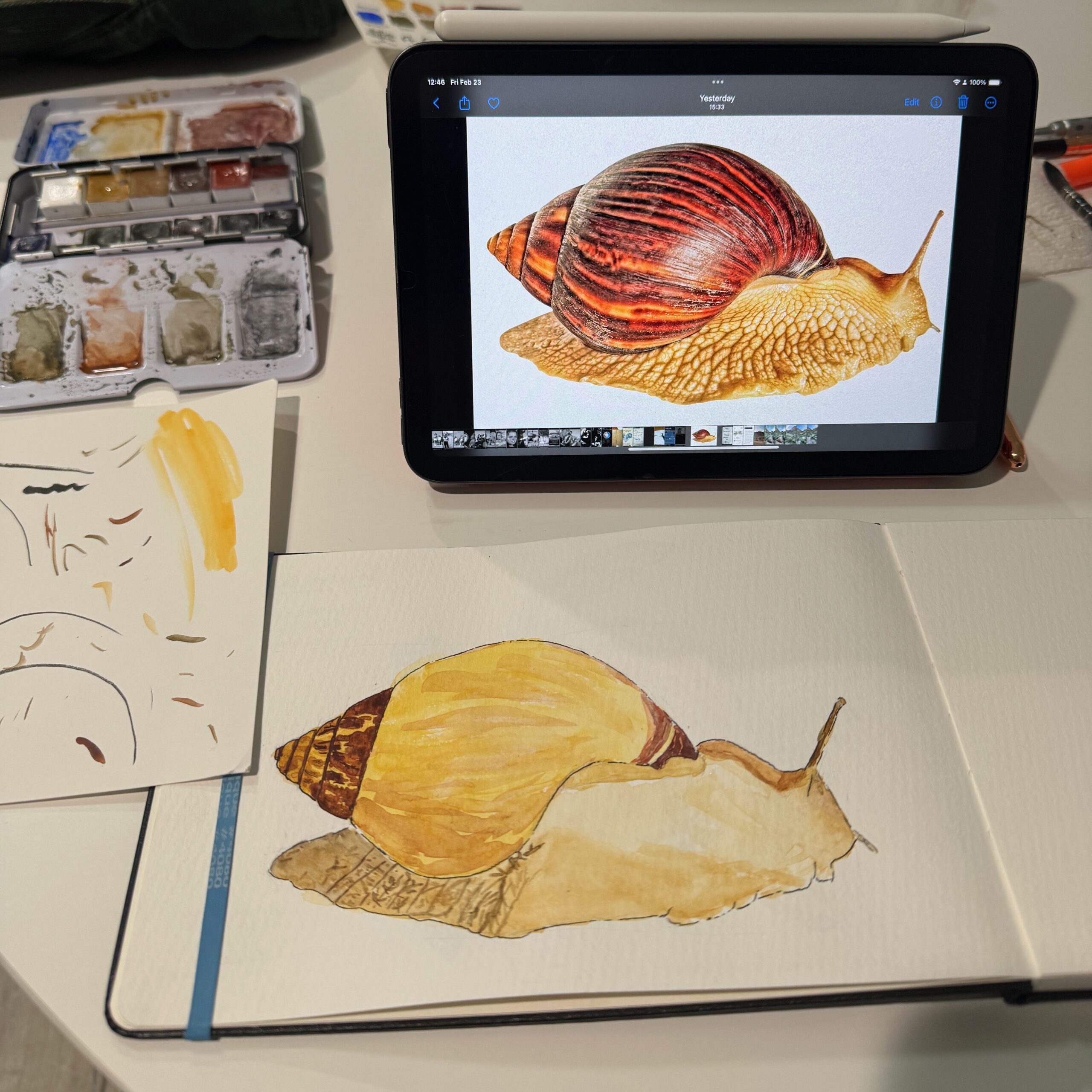
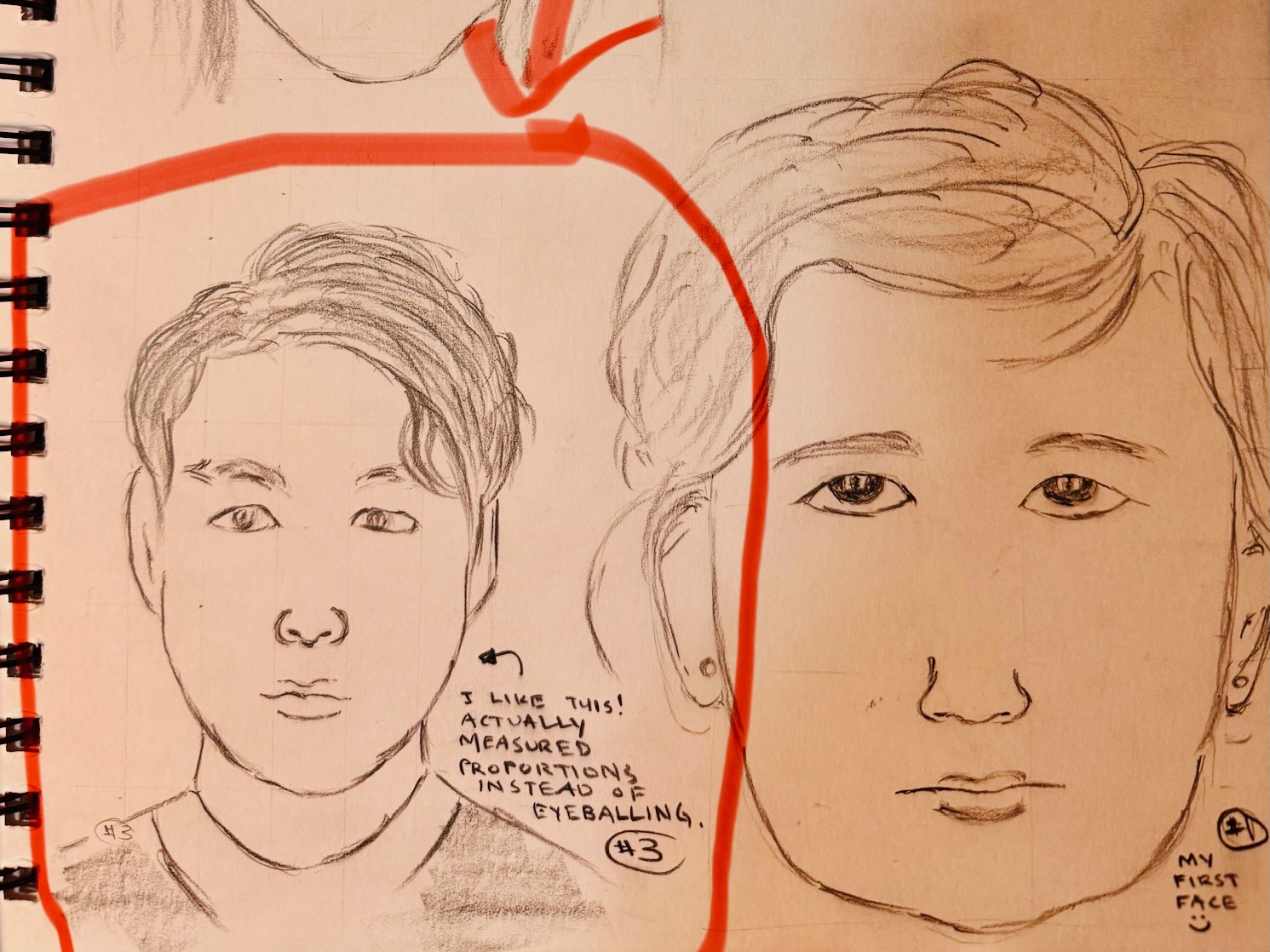
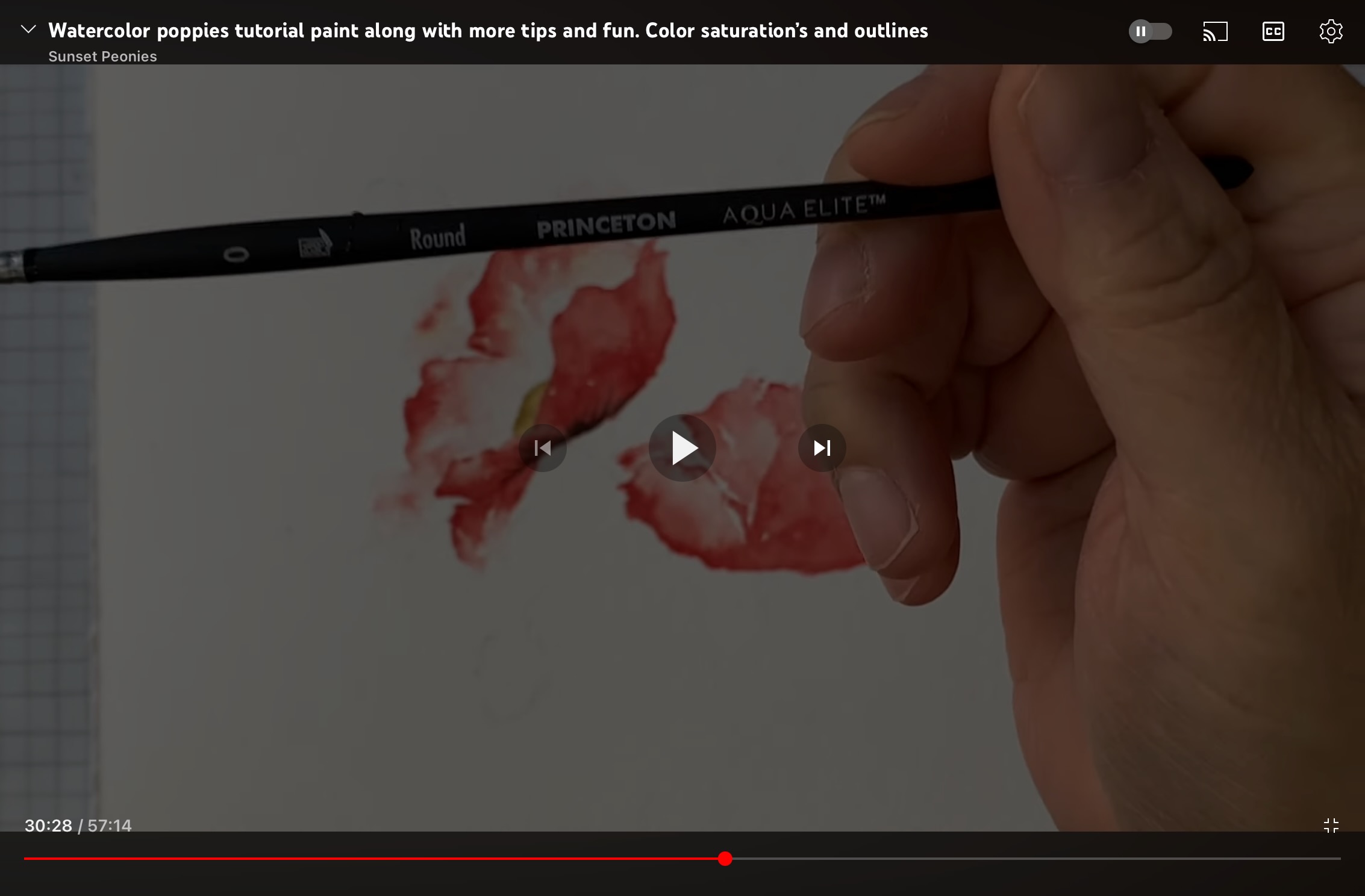
The second album is art information. This album contains slides from class, photos of interesting books, and screencaps of supplies from YouTube videos. There are few things artists love more than art supplies. It cracks me up how everyone owns far too many brushes and tubes of paint — and we all want more.
The third album (which is my favorite) is art inspiration. This is by far the largest album — five times the size of the other two! I find inspiration in a variety of places, and I try to capture it all.
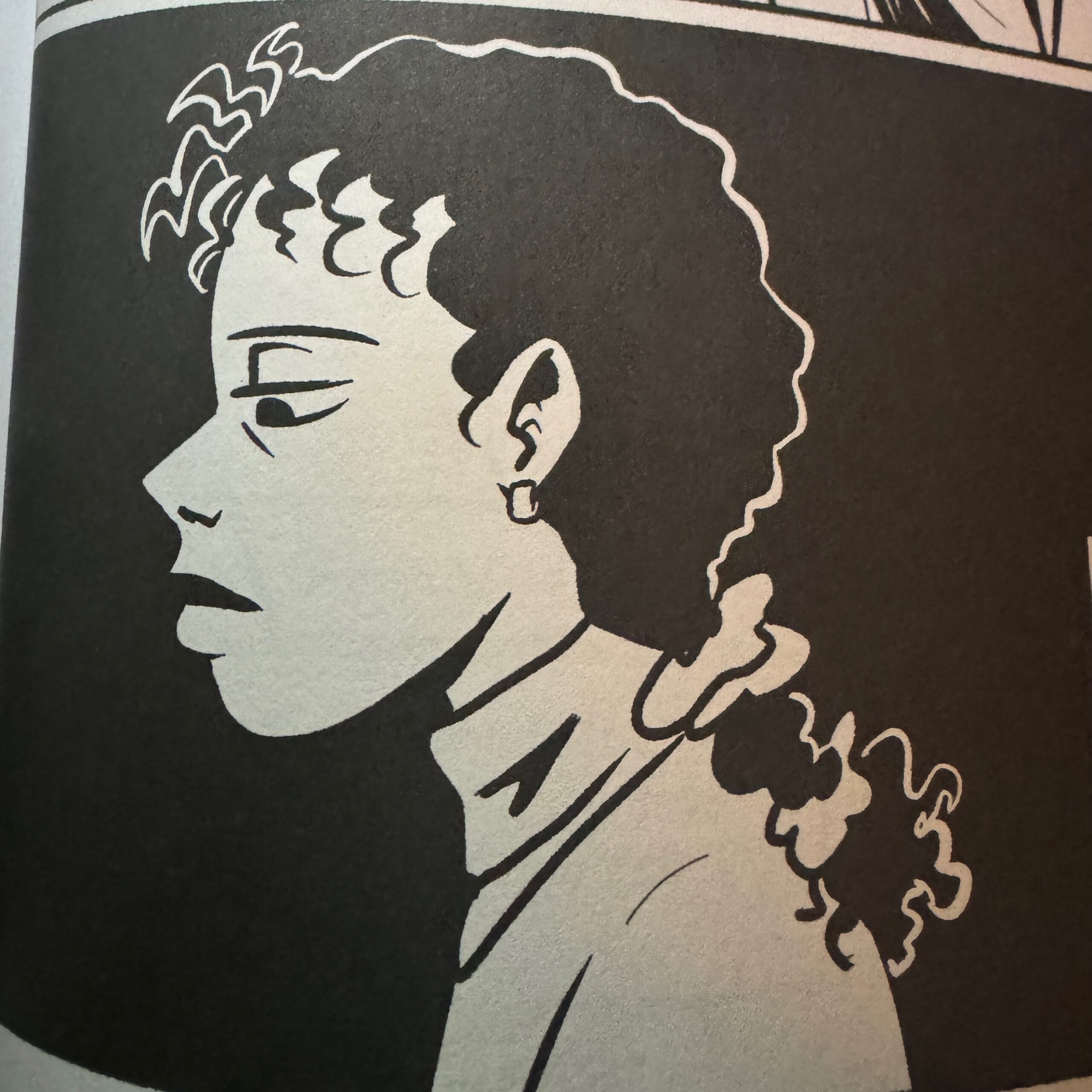
I find inspiration from graphic novels.
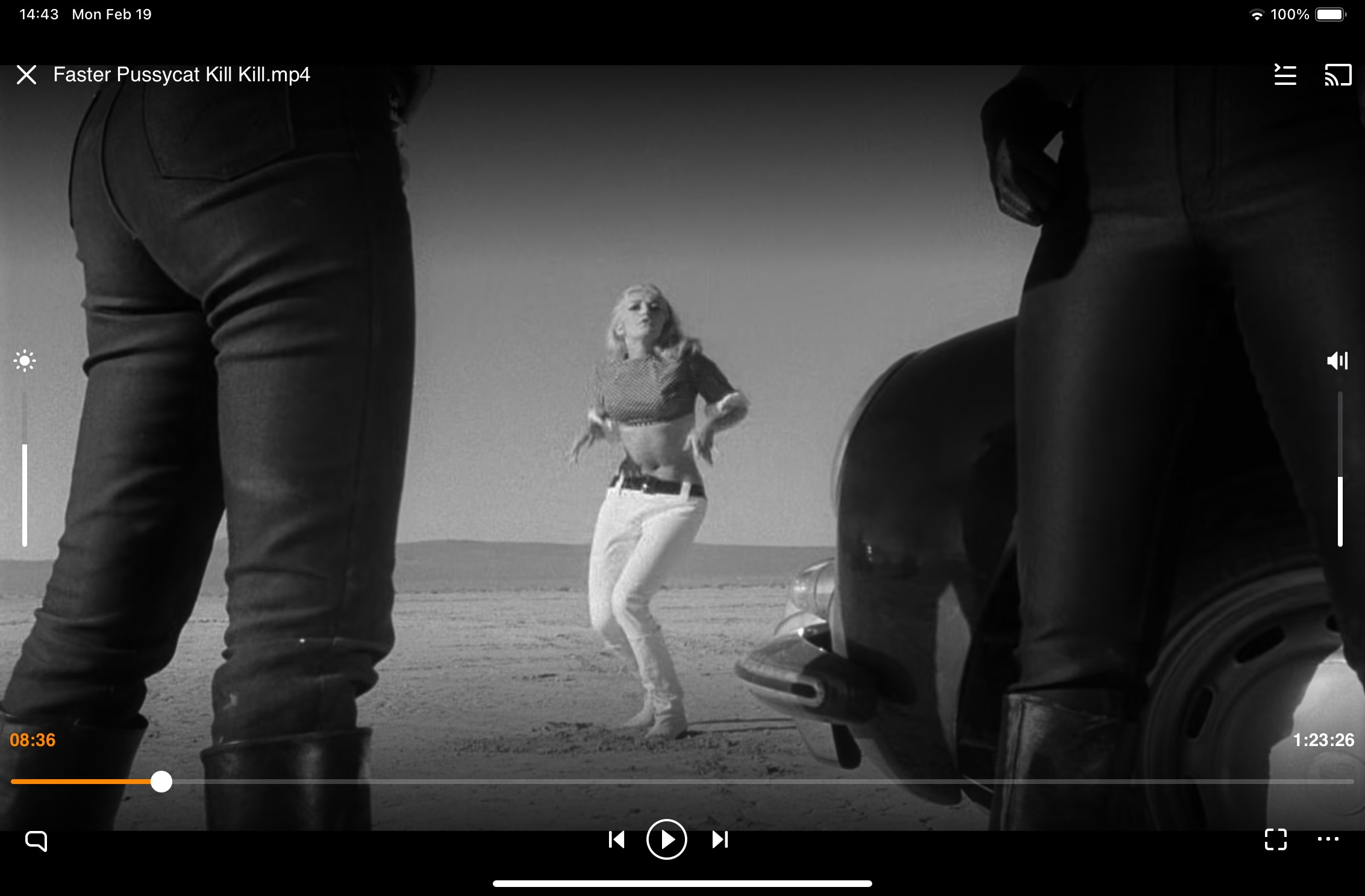
I find inspiration while watching movies. (This is from the jaw-dropping exploitation flick, “Faster Pussycat! Kill! Kill!”, which I recommend highly.)
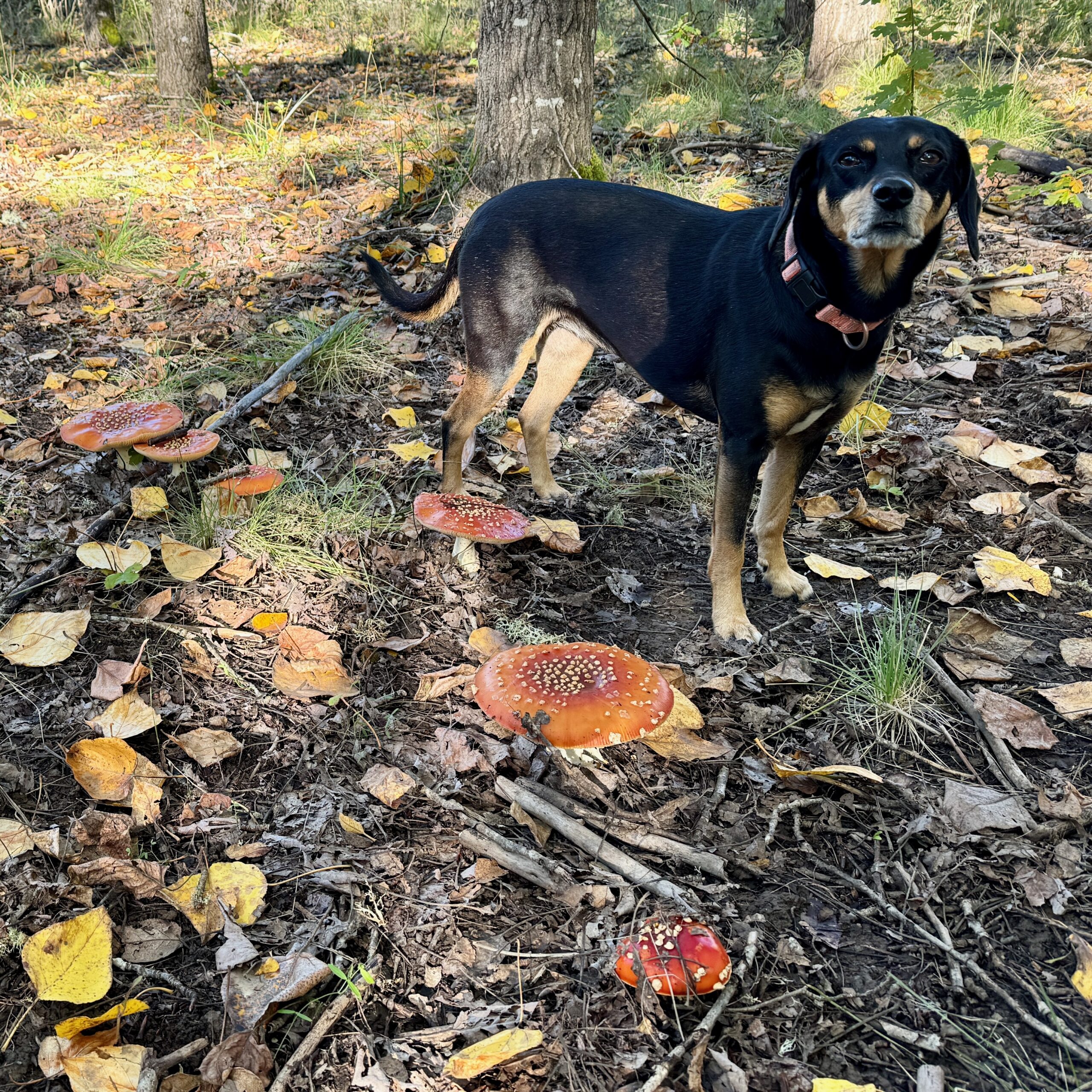
I find inspiration while walking my dog.
I find inspiration while hiking with friends.

I find inspiration while traveling.

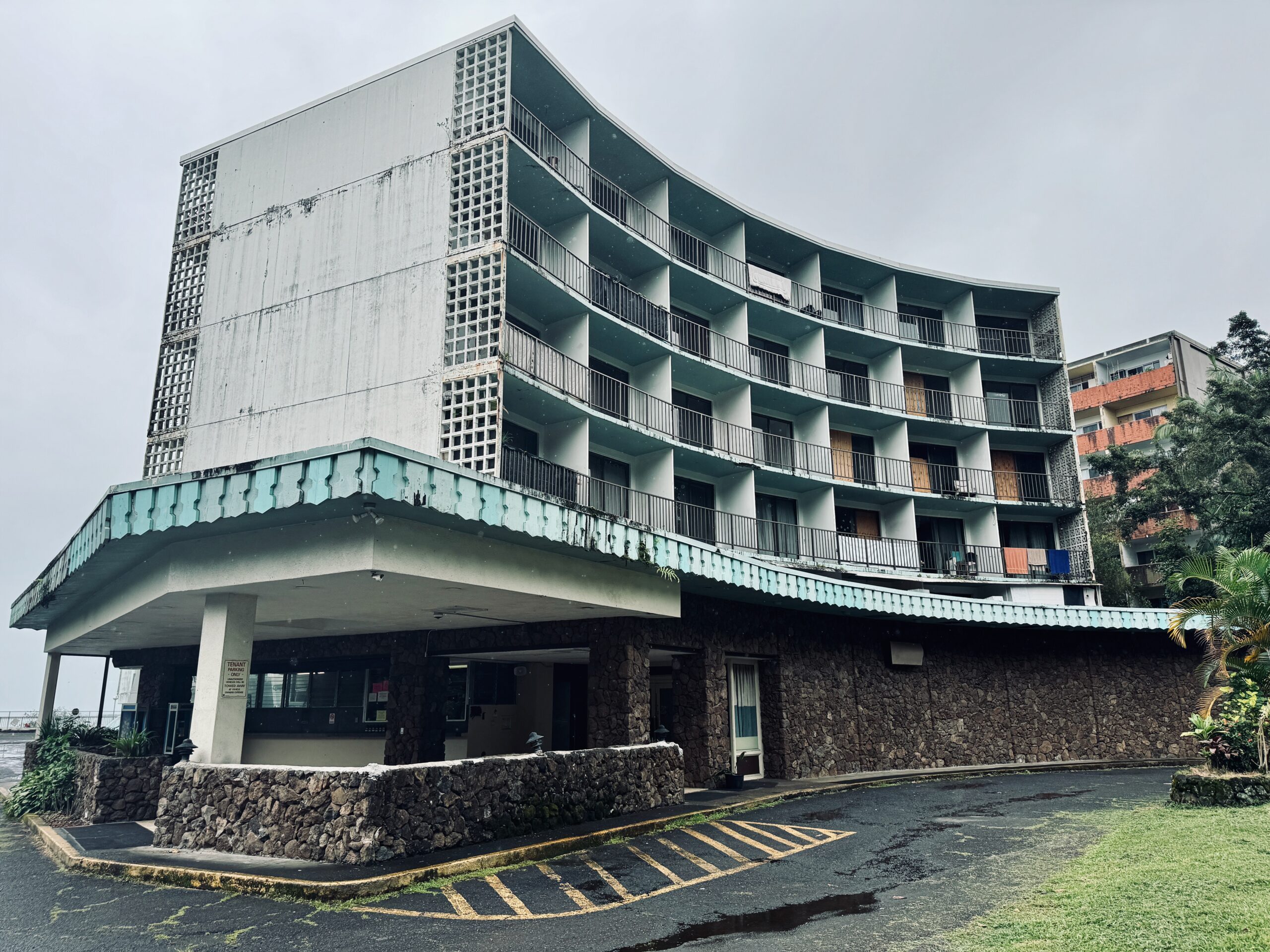
I find a lot of inspiration from buildings, for some reason.
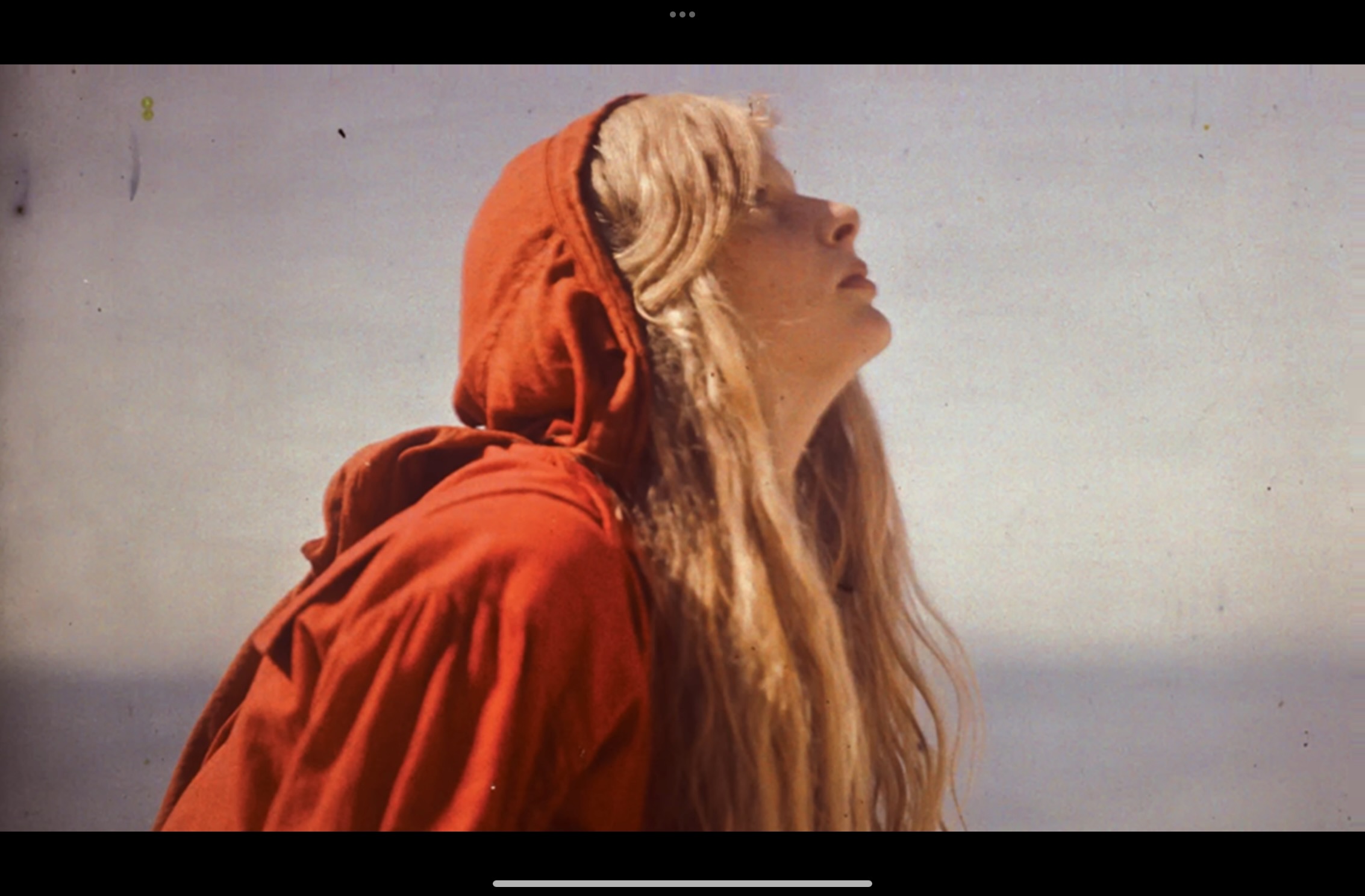
I find inspiration from old photos and illustrations. (This is a colorized photo from the early 20th century, but I’ll be damned if it doesn’t look like Taylor Swift.)
I find inspiration on YouTube.
I find inspiration from Facebook ads.

And, of course, I find inspiration from other artists.
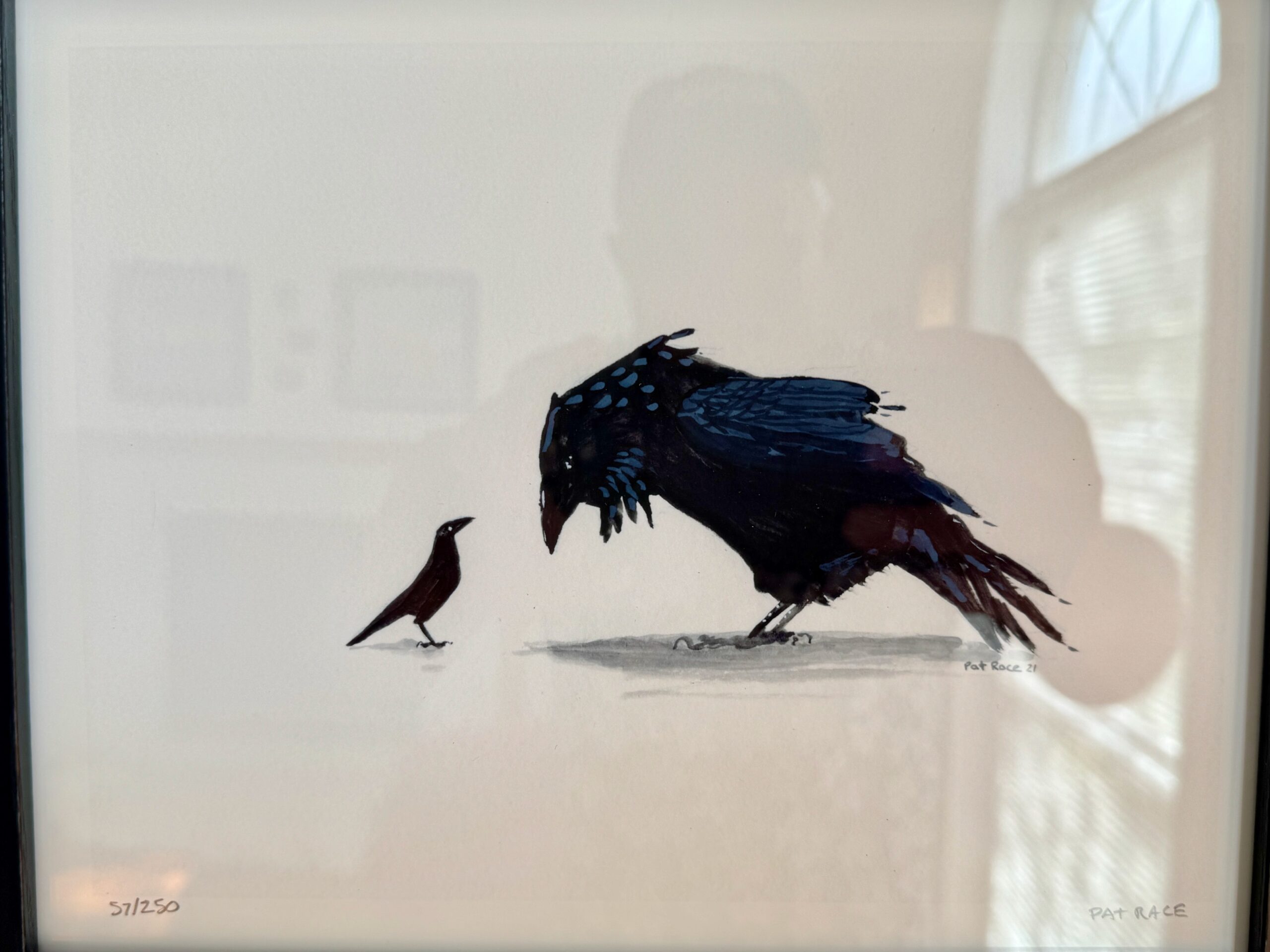
I enjoy looking at the images I’ve saved to my art inspiration album. The reason I’ve collected them is that each one moves me in some way. Even that Facebook ad! I mean, look at that woman. Look how her pose forms a perfect triangle. Surely it must be intentional, right? Why? I also like the “flow” of the pose, how the lines of the sweater sweep down, the position of her arms and legs, the palm flat on the floor, the muted color palette, how the light and shadow play across the folds of her clothes. That image fascinates me. I’ve tried to draw it a dozen times already, and I’m sure I’ll try a dozen more.
During my watercolor classes last autumn, I created a lot of “finished” pieces. They were amateurish and ugly, but they were complete. This term, however, I’ve produced few final products. Mostly I’m doing quick sketches and short studies. There’s been very little worth sharing.
A lot of what I’m doing looks like this:
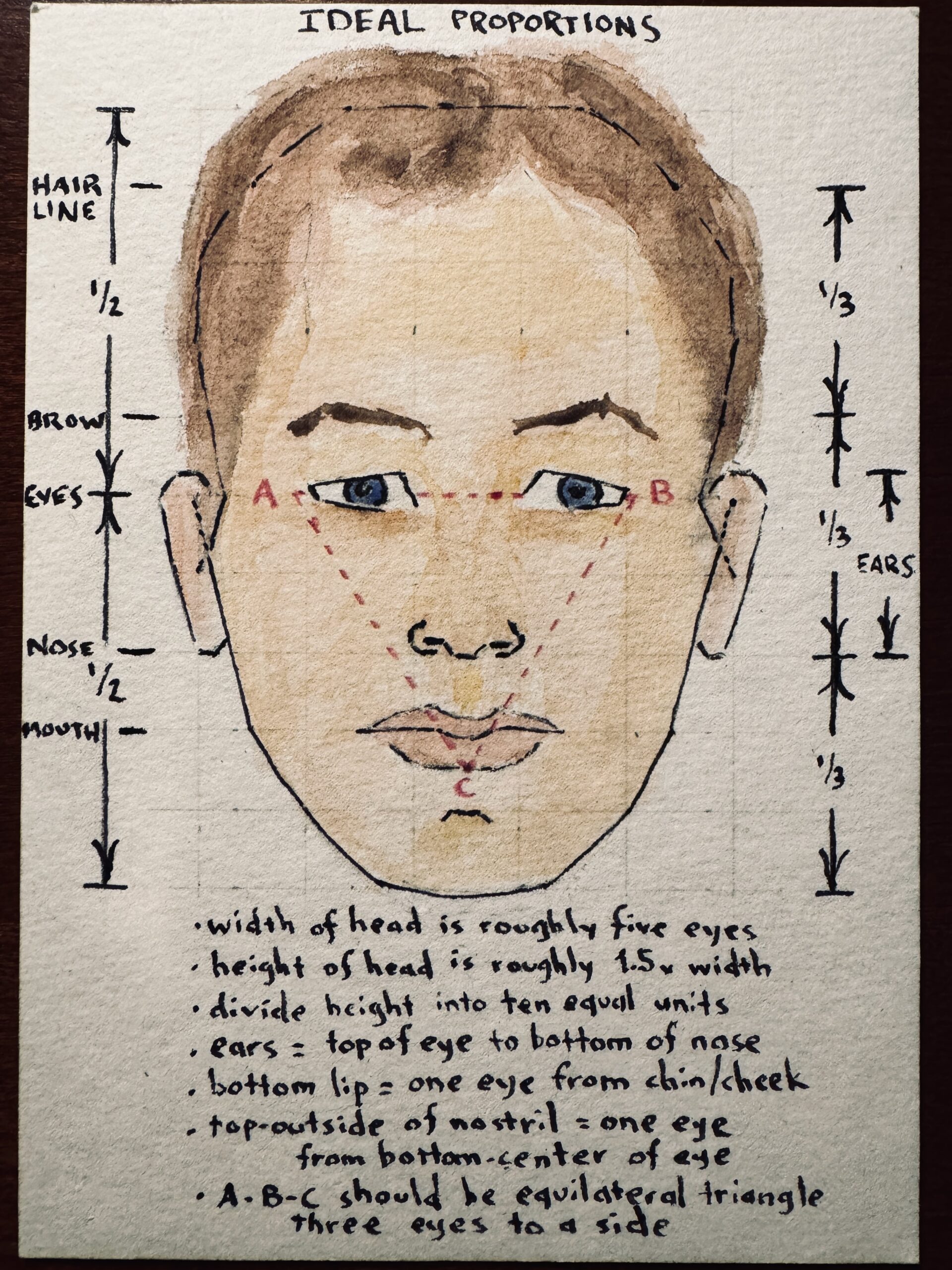
That’s my attempt at distilling 8-10 different “how to draw a face” books/videos into one simple cheat sheet that I can use while I practice. Most of the guides say essentially the same thing, but they each say it differently, and it’s all a bit confusing. It was helpful for me to digest it all, then try to spit it back out in a way that made sense to me. (This is 100% like how I learned about money by reading books, then restating what I’d learned in my own words. Exactly the same thing.)
Anyhow, I had my last art class of winter term last night. My first art class of spring term isn’t until April 2. That gives me a couple of weeks to turn my attention to other things. I still haven’t gathered my tax info, for instance. Plus, I’ve hit two separate roadblocks while trying to import posts here at Folded Space. (My GRS WordPress export is too large to import, so I have to do it in chunks. Also, I lost steam on my Facebook import project.) Oh, and did I mention that I haven’t done any yardwork yet this year?
So, yeah, I’ve got to play catch up on Real Life and won’t have much time for art during the next two weeks. But starting in April, I’ll be taking both a watercolor class and a drawing class. Art is fun!
p.s. It occurs to me that it might be fun to share the “art studio” I’ve set up downstairs. I get up every morning and sit at my desk with my coffee. I don’t always make art — although often I do practice — but I at least read about art or watch YouTube videos about art while I caffeinate myself. I’ll make some time to document my setup.
Twenty years ago, when I was trying to figure out how the hell to get out of debt, I was fortunate enough to find two silent mentors from which to learn financial skills: Dave Ramsey and Vicki Robin.
I say silent mentors because I didn’t have any actual relationship with these people. I read their books, and for some reason they connected to me, and that was enough for me to find my way and, eventually, to become a mentor to others who needed help with money.
Today, almost exactly twenty years later, it’s not money that I’m interested in but art. And I’ll be damned if I haven’t found a couple of silent mentors in the art world: James Gurney and Stan Prokopenko.
James and Stan == Dave and Vicki?
Why do I like these two? I don’t know. Something about the way they teach just connects with my brain. And that’s how it was with Dave and Vicki. The way they talked about money made sense to me. I’d read ten or twenty personal finance books before finding The Total Money Makeover and Your Money or Your Life, but those were the two books that actually clicked.
And that’s how it is with James and Stan. There are many other artists from whom I’m learning (via YouTube or books or what have you), but it’s Stan and James — especially James — that have a sort of dedicated line into my brain.
James Gurney is perhaps the most inspirational and interesting person I’ve ever found on the internet. His books and blog and YouTube channel and courses are all top notch. He’s just a guy who loves art and wants to share that passion with others. There’s zero bullshit. Love it. I hope that I’ve been to personal finance as Gurney is to art.
Stan Prokopenko has perhaps the very thinnest layer of bullshit, but only to the extent that he’s monetized some of what he offers. And that’s not really bullshit, right? If you’re good and you have something to offer, then sure, ask for payment. He still offers tons of free material, but James is on a whole other level.
I like James and Stan so much that I’ve sent money their way. Sort of. I spent big bucks to buy an out-of-print book that James produced with his college roommate, Thomas Kinkade. (Yes, that Thomas Kinkade.) And I bought several of Stan’s online courses. They’re great.)
Anyhow, I didn’t really start writing this to share these two professionals. I started writing this to share my own progress.
Getting Started with Art
In a relative sense, I’m still very much at the start of my art education. I know that. I respect that. I’m fine with that.
But after roughly a year of dabbling with this stuff, I’m just now beginning to produce stuff that I like. This might be a long way from producing stuff that others like — although there was the fellow student who wanted to buy one of my paintings last fall, even though I thought the painting was crap — but it’s good enough. Really, my aim with this art journey is to be able to produce material that means something to me. And, at last, I’m able to do that.
Just to be clear, most of what I produce is still crap, and I know that. That’s what I expect. But just as with my photography 25 years ago, I’m beginning to produce stuff I like now and then.
I had zero background in photography when Mac and I started taking classes together in roughly 2000 or 2001. My photos were like most photos: poorly composed, poorly exposed, etc. But after a year of classes, I could make photographs I found interesting. And after a few years, I was able to make photos that others found interesting. I was even able to sell a photo to a Audubon Magazine, which I guess makes me a pro photographer.
For my own edification, I thought it might be fun to document my progress so far. It’s not great progress, but it’s progress. (My friend Tanja Hester — from Our Next Life — has made amazing progress with her art over the past 18 months. I wish she’d share it publicly. Her stuff is terrific.)
Documenting My Progress
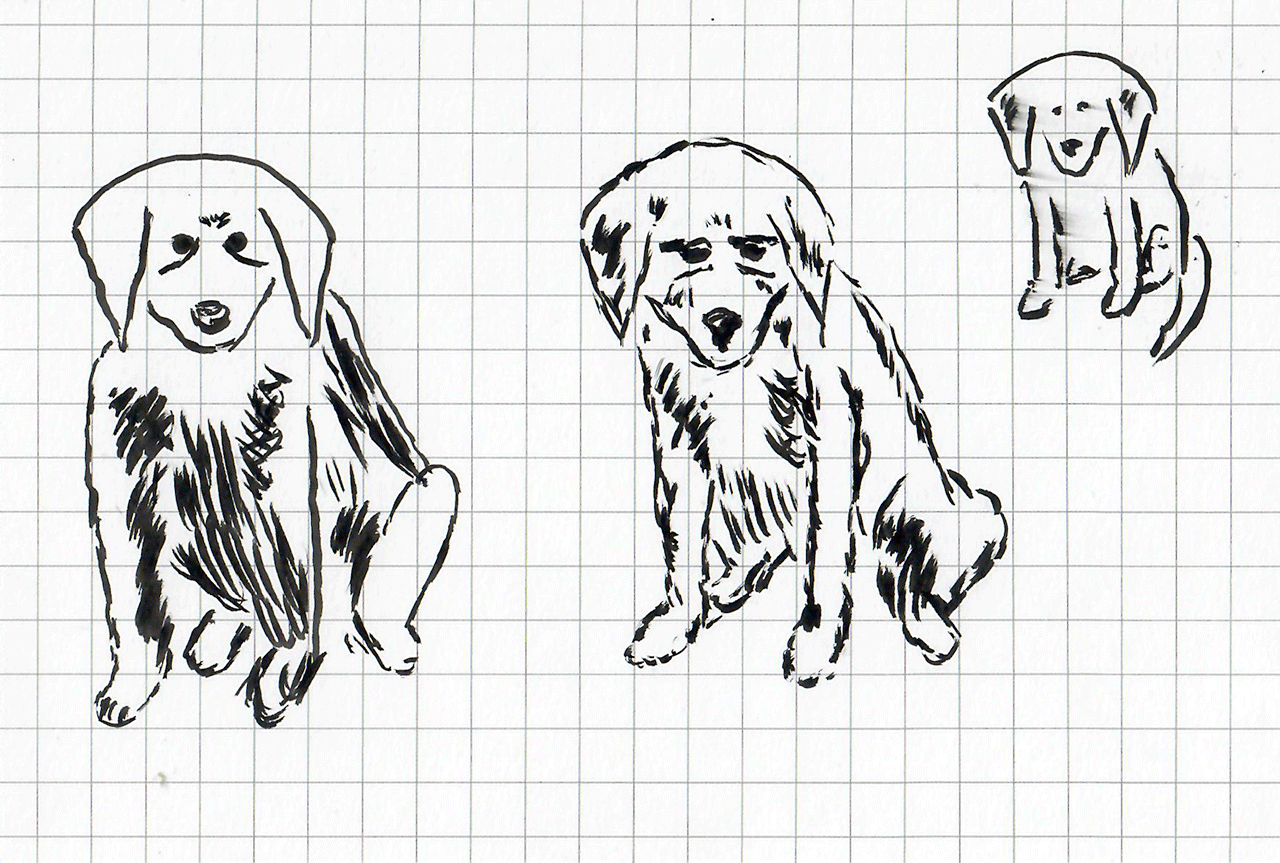
To start, let’s look at where I was in late 2022. Here’s my first-ever watercolor painting (which is so so bad) and an early attempt to draw my dog.
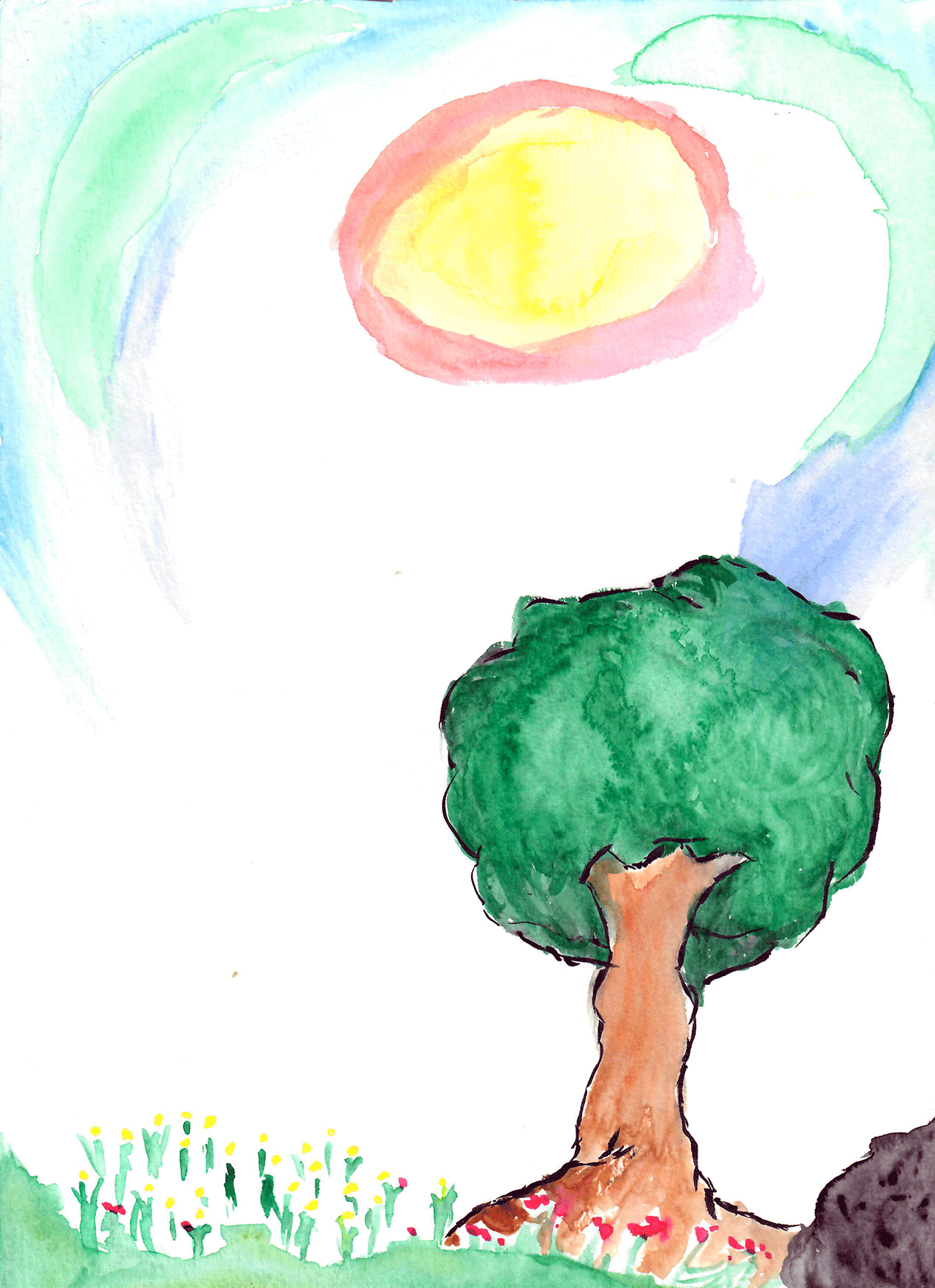
Next, here’s an example of where my skills were after two weeks of watercolor class last September.
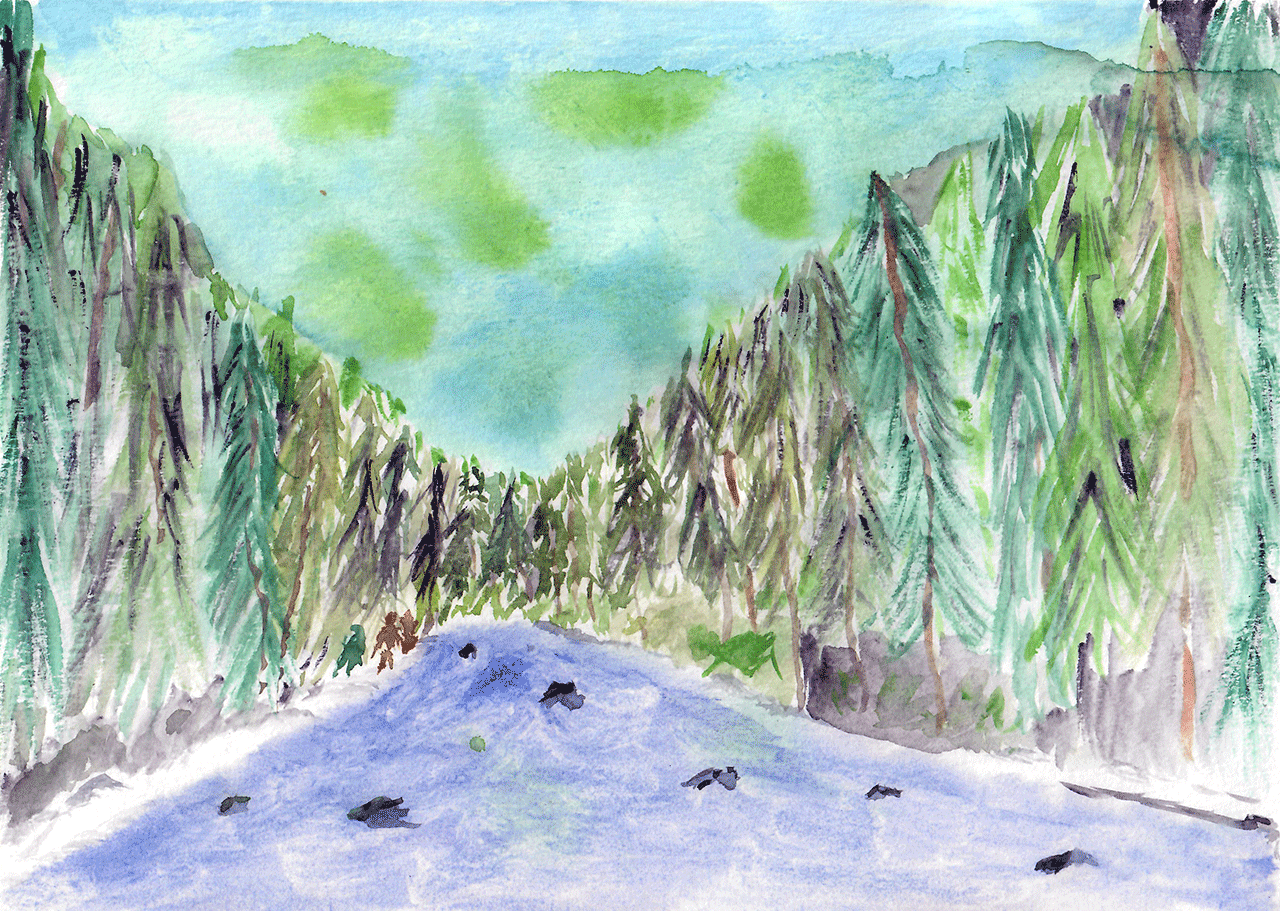
Progress, right? Instead of looking like a painting from a six-year-old, it looks like a painting from a twelve-year-old.
I spent three months with twice-weekly watercolor classes. Because I’m a people-pleaser, I’d paint each homework assignment three or five or eight times. By the end of November, I could paint this:
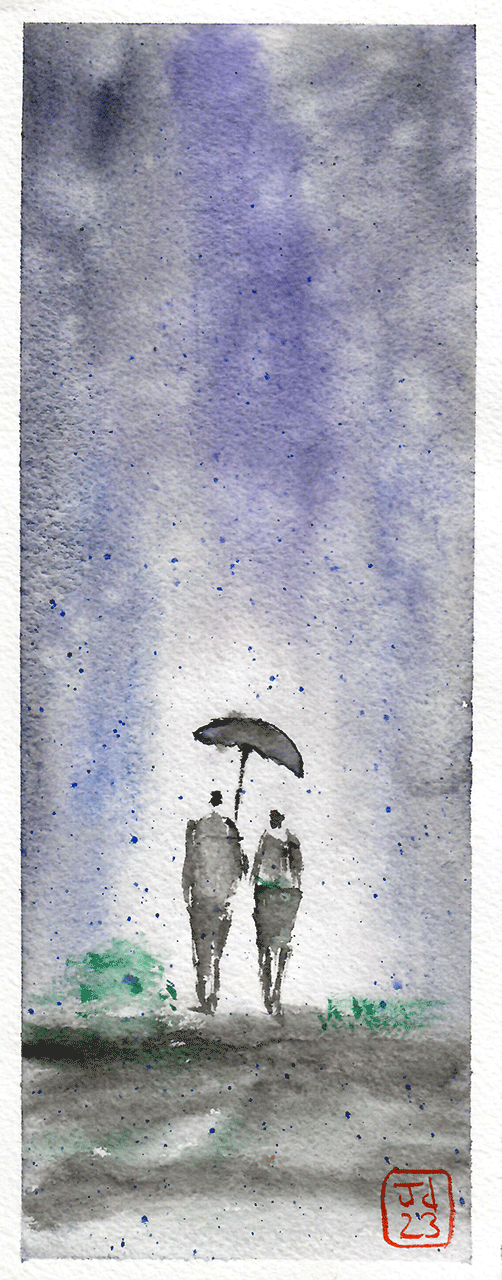
Much better, yes?
At this time, I realized that much of my problem was that I couldn’t draw. Intellectually, I understood the principles of good design and composition, but I couldn’t actually convert that understanding to practice. So, I signed up for two drawing classes. I’ve been in them for about a month now. My progress has astounded me.
Here, for instance, is a drawing of my dog made after a week of drawing instruction.
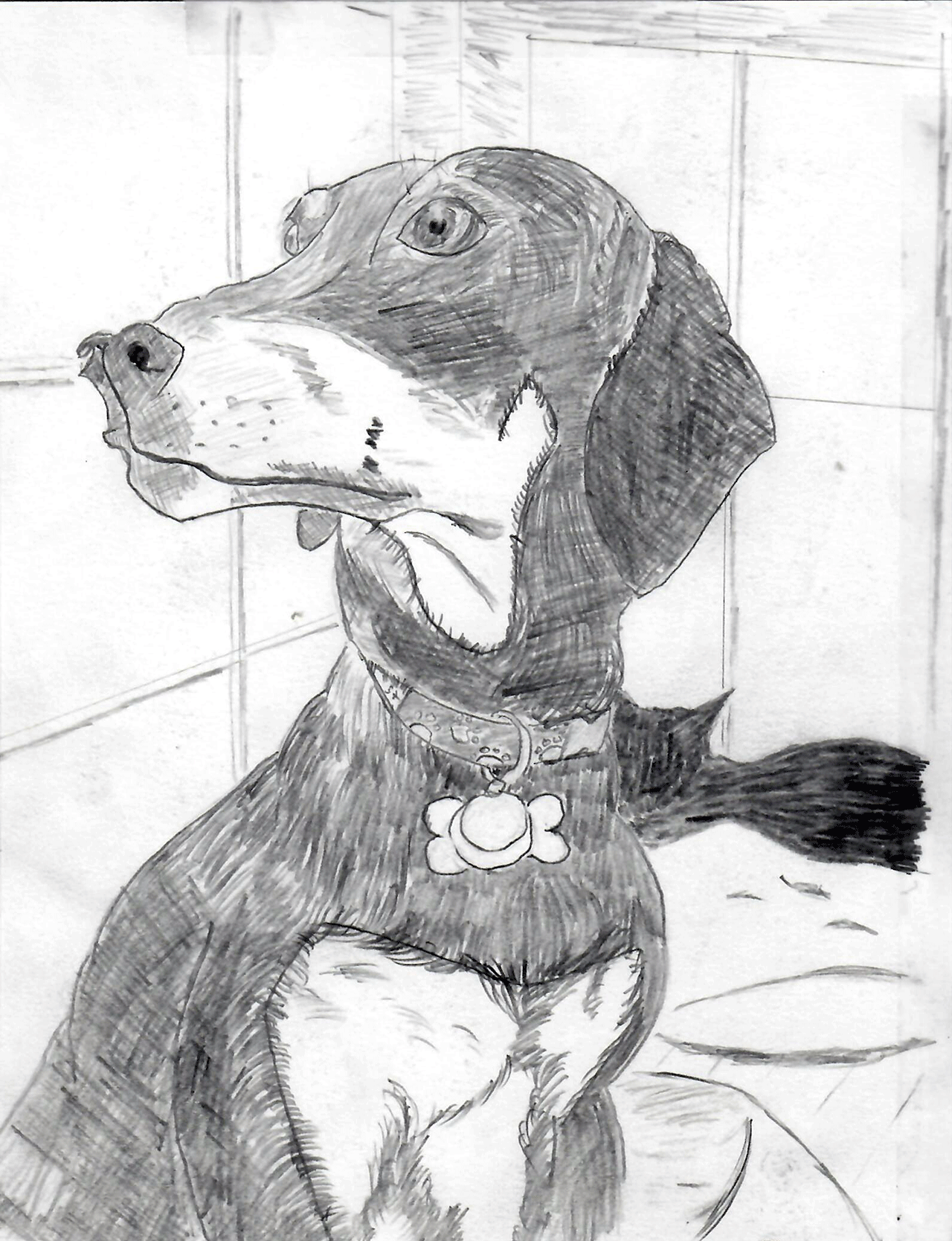
That’s a lot better than what I’d done thirteen months before, right? But wait. There’s more. Here’s the same drawing (based on the same photo) after a month of drawing classes:
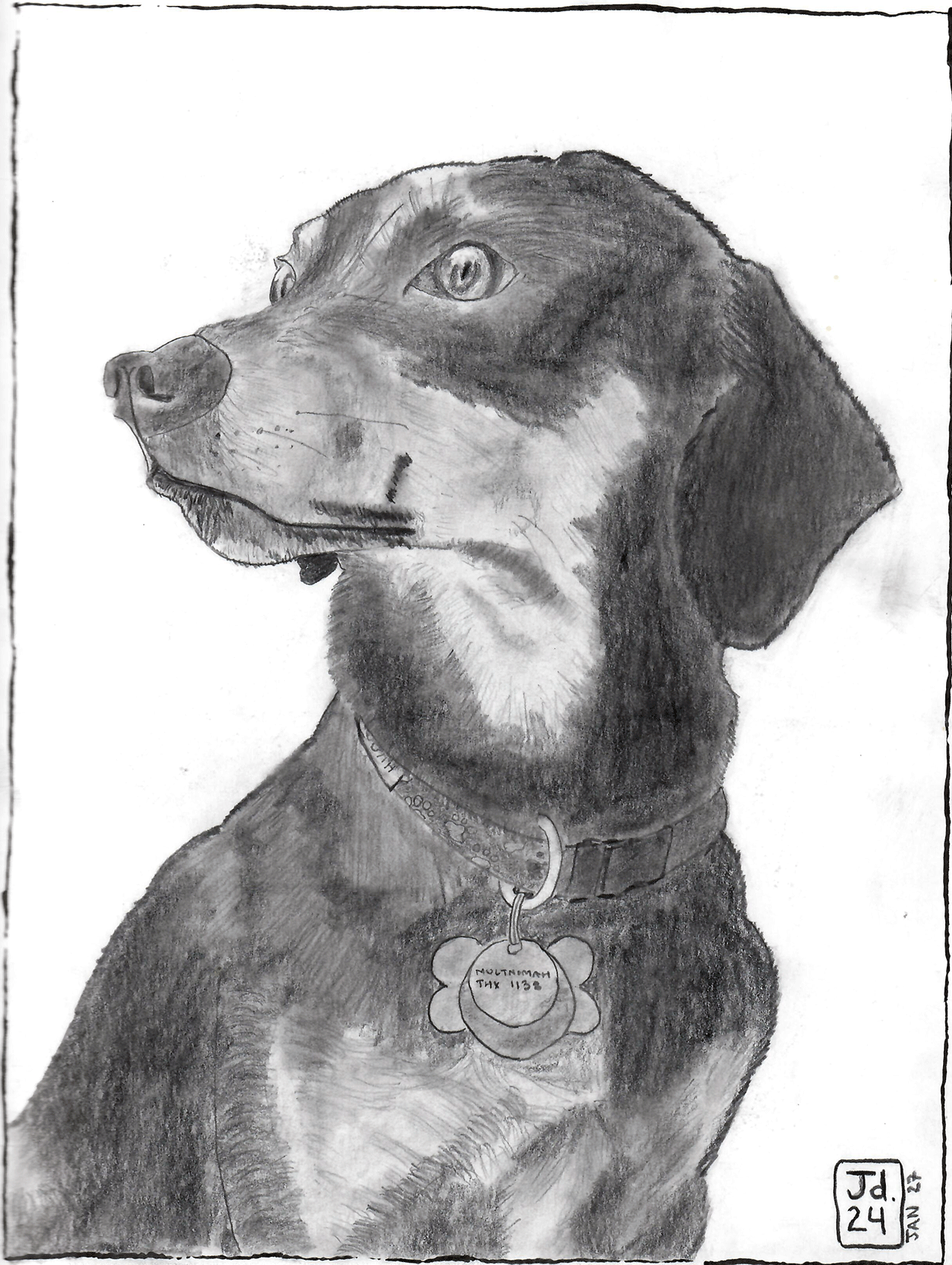
Wow. Again, I know it’s not great, but it’s good enough for me.
Now, what happens when I combine what I’ve learned about drawing and what I’ve learned about painting? Well, here’s a painting of my dog (over a drawing of my dog).
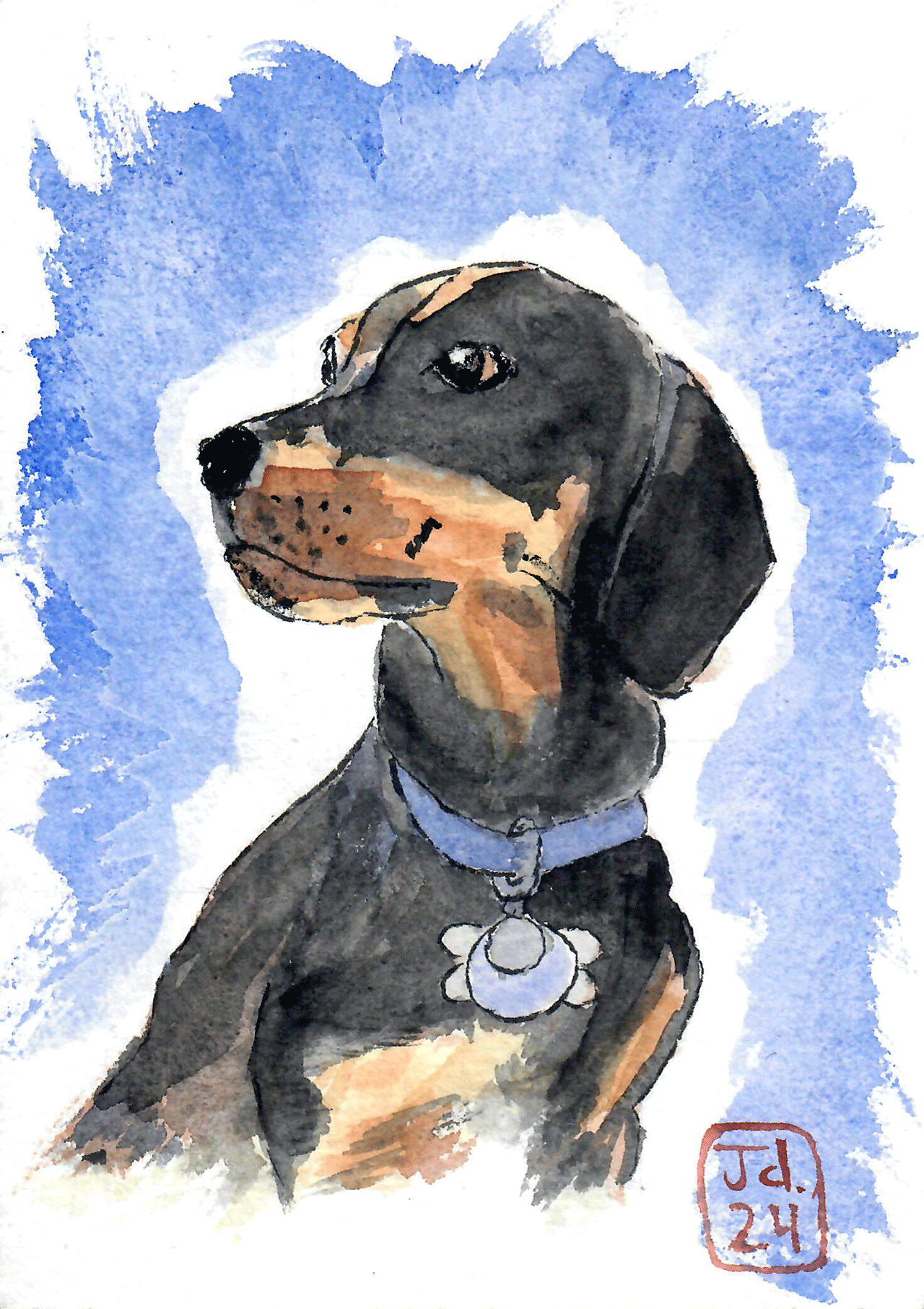
I don’t care if anyone else likes this. I like this. I can’t believe I produced this. I know I have a long way (year and years) to go yet, but seeing that I can produce even this small painting is like paying off my first debt. It’s like the beginning of my debt snowball. It gives me confidence. It helps me to understand that if I keep doing the “right” things, I’ll get better and better results.
I’m not going to lie. My proudest moment so far as an artist is this: In last night’s class, my instructor sat and looked at this painting for a couple of minutes. She had constructive criticism, sure, but she was also wrapped in it. I count that as success.
Final Thoughts
Last night in my Ink Pen + Watercolor class, I was able to produce this with almost zero effort and zero thought while BSing with the other students (all 70+ year old women haha).
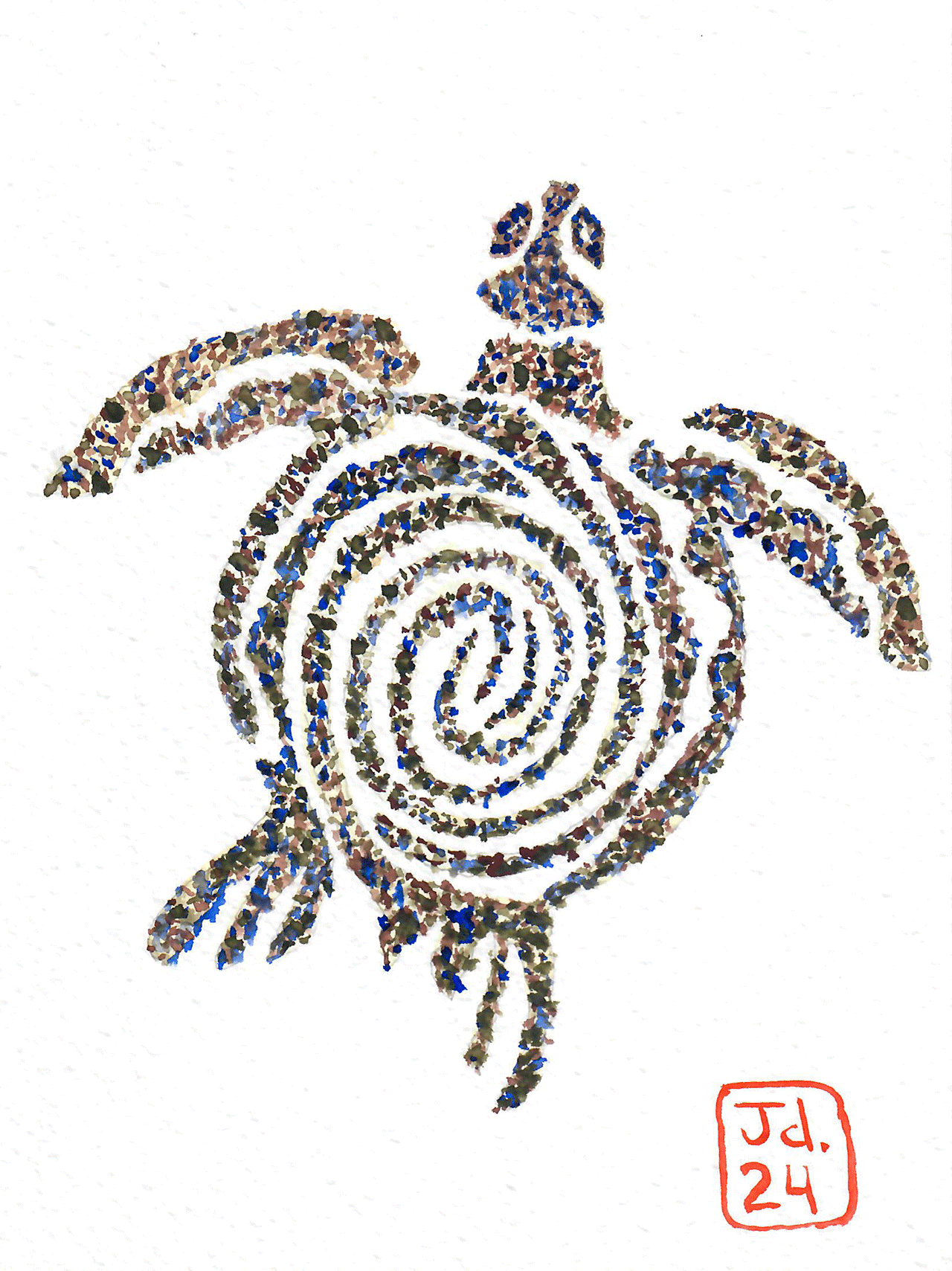
Again, this inspires confidence. It makes me want to make more art. In fact, it makes me want to set aside everything else to focus on my drawing and painting.
It’s also a bit scary, though. For three years now, I’ve been able to kind of set aside my ambition because I didn’t have the skill to match it. I know I want to draw comics (or a graphic novel or something similar) about Penny Short, but I haven’t had to flesh out a story because I’ve been a long way from being able to draw it. Well, now I see that I’m not so far away from being able to at least rough something out.
I’m a long way from being able to produce something like James Gurney’s Dinotopia series. In fact, I’ll never reach that. I don’t care. I’m enjoying the process of learning about art. More than that, I can see that it’s possible (probable?) that I’ll be able to produce some sort of artistic narrative fiction in my lifetime.
I started two new habits on 01 January 2021, and I’ve managed to maintain both habits for more than three years.
First, I began logging every movie I watch on Letterboxd. I usually write a short review and/or assign a star rating, but even if I don’t have the time or inclination to do that, I make sure to note every film I see. This has made my movie watching much more enjoyable (because I am a nerd and I like to track stuff).
Second, I bought a Hobinichi five-year journal (A6 size) so that I could keep a daily diary. Every day, I jot short notes about what I did, record what time I wake and fall asleep, note my weight (if I weighed myself), track the weather conditions, log my alcohol and marijuana use 100% honestly, and more.
![[photo of page from my 5-year journal]](https://jdroth.com/wp-content/uploads/hobonichi-5year.png "actual page from my journal")
I like this five-year diary much more than I expected I would. It gets better the longer I keep it. It’s fascinating to look back at what I was doing last year. And the year before. And the year before that.
This journal has another handy feature. Facing each daily page is a blank page where you can write anything you want. I use it to jot insights or extended thoughts about the day’s events. For instance, on 28 January 2021 I wrote down the following epiphany:
I have come to the realization that all — or nearly all — of my stress, anxiety, and depression stems from living such a public life. I share everything online. Everything I share is open to public scrutiny and judgment. It’s killing me. So too is the ongoing pressure to produce. It never ends.
What if I were to withdraw, to end all creative/productive web use? Give up the websites. Give up social media. Return to a mostly analog life, circa 1997. Make the center of everything Kim, our beasts, and whatever project I’m working on (the house, a novel, classes, whatever).
This is a huge decision, one of the biggest of my life. I need to think about it.
I wrote a l-o-n-g blog post about this epiphany when it happened. In that piece, I sketched out a few possible futures that might make me happier. Now, with the benefit of hindsight, I can look back and see how things turned out.
Of the four options I suggested — zero online creativity, minimal creativity, moderate creativity, and maximum creativity — I’ve found a happy groove with minimal creative production.
- I sold Get Rich Slowly to my business partner. I was afraid that I’d regret this. I have zero regrets. It was the correct move.
- I’m severely curtailed my presence in the world of social media. I’m even moving away from frequent posts on Facebook. (I used to use Facebook as a substitute for this blog. I’d post a few times a week. Now I think I’m posting maybe once a month.)
- I’m trying hard to avoid spaces like Reddit and similar online forums. Even after carefully curating my subreddits, I find that if I spend too much time there, I get a negative, pessimistic view of the world. I don’t know what it is about being online, but most people are the worst versions of themselves. I don’t like it. So, even though I do read /r/TaylorSwift and /r/AskHistorians often, I try not to get sucked into endlessly scrolling Reddit.
- Although I haven’t published much here at Folded Space recently, I’m committed to it. This will be my space for online creativity. And a place for other like-minded folks to hang out and have conversations about goofy, nerdy stuff.
It took me nearly three years to curtail my online lifestyle to what it is today, but what it is today feels balanced. It feels sustainable. It feels healthy. My mental health is the best that it’s been in a decade (yay!), I’m having fun in Real Life (although I’ve let my fitness get away from me again like a fool), and I’m spending more time with friends.
Anyhow, the entire point of this post is to highlight how much I’ve come to enjoy logging my life in my five-year journal. Every day, I get to look back and see what has changed (and what hasn’t). And some days, like today, I get to re-live some important moment and see if/how I’ve grown from it.
For more than five years now, Tom and I have had (nominally) weekly calls. Every Tuesday morning, we meet to chat about work and life. These started as calls to work on Get Rich Slowly, but because neither of us was wholly motivated to do that work, they eventually evolved into general bullshit sessions.
Lately, though, that’s changed.
I sold Get Rich Slowly to Tom in May. We’d both kind of been treading water for a few months, but the end of the year has lit a fire under our butts. I have a couple of big GRS-related expenses coming up at the end of December, and I don’t want to have to pay them. Plus, I’m in a temporary lull now that one set of art classes has ended and another is yet to begin. For four weeks, I have the time and the motivation to close down my Get Rich Slowly operations while ramping up things here at Folded Space.
As a result, Tom and I have had some of our most productive Tuesday-morning calls ever! It’s kind of hilarious how much we’re getting done, actually.
As some of you already know, I’m in the process of handing over the Get Rich Slowly mailing list to Tom. I sent out a message letting my subscribers know that my version of the mailing list is ending and inviting them to subscribe to a new (yet-to-be-launched) Folded Space mailing list.
If you want to join the upcoming Folded Space mailing list, you can sign up here. It’ll be a (nominally) weekly email containing anecdotes, links, and videos. Basically, it’ll be me sharing my favorite stuff.
Meanwhile, we’ve been shuffling around other bits and pieces behind the scene. And I’m starting a project I’ve been meaning to undertake for years: I’m beginning to consolidate all of my story-based writing here at Folded Space.
To start, though, I’m gathering everything locally on my laptop. Rather than create a huge mess here at this site — which is messy enough, I know — I’m going to create several messes on my own machine. When I’ve cleaned those up — weeks from now? months? years? — I’ll export everything here in one fell swoop.
What exactly does this mean?
- I’m going to finish my Facebook to WordPress export that I began in July. I’m about 70% done with it, and my aim is to complete the rest of it by December 15. Once that export is over, I then want to go through each and every post to massage it into WordPress format. That’s going to be a lot of work.
- I’ve exported all of my articles from the current Get Rich Slowly database and have imported them to a local WordPress install. Now I need to go through each and every post to massage them into a modern format. That’s going to be a lot of work.
- I’ve begun to export all of my articles from old Folded Space iterations and am importing them into a local WordPress install. Once that work is finished, I’ll need to go through each and every post to massage it into a modern format. That’s going to be a lot of work.
- At some point, I’ll export all of the posts I’ve made at my miscellaneous weblogs over the years. Once those exports are finished, I then want to go through each and every post to massage it into a WordPress format. That’s going to be a lot of work.
The bottom line is that this is all a lot of work. And it probably matters only to me. I know that. But I’m enthralled by the idea that one day in the not-so-distant future, everything I’ve ever written online will live at this website. (And, to be honest, I eventually want to bring in all of my offline writing too.)
One barrier that’s blocked me for years is the Great Database Crash of 2005. In October of that year — just after Hurricane Katrina — my Moveable Type database crashed, locking me out of my blog. This was the event that forced me to learn WordPress, actually. Fortunately, I didn’t lose everything I’d written before. Moveable Type was a static blog system, which means it created fixed web pages instead of creating them on the fly. When the database died, the blog content didn’t go away. Only the behind-the-scenes functionality did. I can, in theory, manually move over old articles one by one. (And that’s just what I’ve done over the years.)
This afternoon, though, I discovered something I never knew, something that might make things easier.
WordPress is capable of importing a Moveable Type mt-export.txt file. “That’s great,” I thought when I learned this, “but it means I would need to have an export file. And I don’t…Or do I?” On a hunch, I checked some old files. Sure enough, I have at least one old mt-export.txt file, and it contains the first 120 blog posts I made via Blogger and Moveable Type. Wow!
This may be the only mt-export.txt file I have sitting around. I’ve never been great at making backups. All the same, it wouldn’t surprise me if I had one or two additional export files on FTP servers or random hard drives. I’m going to make it a quest to search over the next couple of months. If I can find additional exports, it’ll make my life so much easier.
On a similar note, I realized that I might have the Get Rich Slowly backup from when I sold the site back in 2009. This is significant because it’d allow me to access the site as it existed at that moment, before the company that bought it from me went in to edit everything. I’d be able to reclaim some of my blog posts that I’d given up for dead!
Anyhow, I’m excited about pursuing this stuff. It’s all seemed like a burden and a weight for years, but now that I’m actually taking action, it seems fun. It seems doable.
p.s. I need your help! As part of this process, I want to find a good text-heavy WordPress theme to use here. I want it to be blog-y, if that makes sense. I want it to prioritize text and images (and, to some extent, YouTube embeds). It doesn’t need to have a lot of fancy modern stuff embedded into it. Two years ago — just before my cousin Nick died — I was working on creating a custom WordPress theme. I got 90% finished with it and still might try to do the rest by myself, but I’d really rather find something similar that just worked without me having to fuss with it much. So, if you have any suggestions for layouts that might work, please let me know. I’m happy to pay a premium for the perfect WordPress theme.
Last night, Mac and I drove to Portland to catch Depeche Mode in concert. He’d intended to take his wife, but they had a miscommunication about dates. Turns out Pam’s in Taiwan right now haha, so Mac took me instead.
The Depeche Mode concert was fine. It was just what you’d want from them. It wasn’t spectacular, but it was fun. I mainly listened to their early stuff when I was young, so I was hoping they’d play some of that. They only played “Just Can’t Get Enough”. Still, I knew more than half of their setlist. (As an example of the Depeche Mode music I loved when I was younger, here’s “Leave in Silence” (live in Hamburg in 1984) and “Any Second Now”. )
The real revelation of the night, though, was the opening act: Young Fathers.
Wow. Wow. Wow.
I’d never even heard of Young Fathers before we got to the arena. I expected them to be a forgettable opening band. They’re anything but forgettable. If I were forced to describe their sound it’d be: poetry and pounding drums. What do Young Fathers actually sound like? Like this.
That’s a pretty good representation of what we heard last night, with the difference that this band is much better live. (Believe it or not, there’s a lot about Young Fathers that reminds me of early U2, and the “better live” thing is one of them.)
Young Fathers play driving rhythmic anthems with deep thrumming percussion that fills the entire arena and soaks into your soul. I’ve never seen a band that’s almost entirely percussion-driven before, but Young Fathers are. When they do use traditional instruments (bass guitar, keyboard) it’s purely for rhythm. There’s no melodic instrumental line. The melody comes from voices only.
If you have a good set of headphones (or a good sound system connected to YouTube), watch the video to “I Saw”. It’s…wow.
I’m going to stop talking now and just share amazing videos of the group in action — let them speak for themselves.
Here’s a twenty-minute live performance on KEXP radio in Seattle:
And here’s the Young Fathers NPR tiny desk concert, which features a more tone-downed sound (because you can’t really cram three drums into the tiny desk space).
Lastly, here’s a full hour-long concert performance from Young Fathers. This will give you a taste of what I experienced last night. But again, nothing can compare to feeling the deep, powerful thrum inside your soul from the rhythm and percussion.
The only song I can remember that sounded remotely like this band is “I Can’t Break Away” by Big Pig.
Wait. I guess The Hu’s “Wolf Totem” sounds vaguely similar too. (The Hu are — and I’m not kidding — a “Mongolian folk metal band”.)
I have no idea how to describe this kind of music, but I love it. I want to find more of it. It very much fits a state of mind I get into sometimes. I find it powerful and motivational.
p.s. The title to Young Fathers’ second album is amazing: White Men Are Black Men Too.
Here in Corvallis, our friend Michael is a fan of perfumes. He’s a scent collector. He watches perfume YouTube videos, makes vacation excursions to buy perfumes, and otherwise educates himself on the subject. His enthusiasm for scent is contagious.
Recently, Kim and I have met with Michael (and his wife, Rae) for a couple of perfume-sampling sessions. We spray samples on swatches and pass them around, then talk about what we get out of each scent. It’s more fun than you might think. And it has, in fact, led both me and Kim to order a variety of perfume samples for ourselves. Over the past six weeks, we’ve slowly been working our way through a variety of scents to discover the ones we like most.
Anyhow, the last time we got together to do this, I mentioned to the group that once (long ago) I had written a short story about a man with a heightened sense of smell. This was back when I took writing classes at the community college, back at the very dawn of the internet. “I think I have the story somewhere on a hard drive,” I said.
“I’d love to read it,” Michael said. “If you can find it.”
It took some hunting, but I did locate my story. Looking at the file information, I completed this story on 27 October 1998. The ancient Microsoft Word document was a bit of a mess, but I spent two hours massaging the formatting (and making some minor edits) and have now reconstructed “The Smell of Love”. (I also call it “The Scent of Love”. I never could find the right word.)
I enjoyed reading this far more than I thought I would. I was worried that it’d appear clumsy to a J.D. now 25 years older than when he wrote it. It doesn’t. The writing is surprisingly sharp. Better still, the story is entertaining. It’s filled with hilarious (to me) in-jokes and references to things that were important to me in 1998: cats, Thomas Hardy, Charles Dickens, Jane Austen, Black Adder, superheroes (the protagonist is, essentially, a super-villain and was meant to be from the start), and so on.
Anyhow, I’m not going to ramble on because I’m about to the post the entire story, which is relatively long (about 6000 words). I will offer one warning though that seems appropriate for 2023 but wasn’t needed in 1998: The story is filled with (deliberate) misogyny. The main character is supposed to be a dick. And he is, as you will see.
The Smell of Love
by J.D. Roth
28 October 1862
Dearest Uncle,
How can I convey to you the strangeness of these past two days: the torment in which I have lived, the frightening nature of my dreams, the bizarre quality of my waking hours? You would not believe me, even should I give this nightmare words.
Where shall I begin?
You are already intimately acquainted with the details of the tragedy that befell me in my youth, but perhaps it would ease my mind, and allow me to more clearly express what follows, if I touch upon my origins. Forgive me if I tarry upon history with which you are only too familiar.
My youth was a happy one; my mother and father were devoted to me, their only child. We lived at Westbranch, on the outskirts of the county and, as a result of Grandfather’s vast fortune, lived a life of comparative means. The proximity of your own estate, Uncle, was among the great pleasures of my youth. I cherish memories of days that our family spent with yours. You were kind hearted, and quick with an explanation or a loving word, and Aunt Dora’s voice filled the halls of your home with song, morning and evening.
Upon my tenth birthday, you made a present to me of a canvas and oils. For a child yet unexposed to the city, this gift reeked of the cosmopolitan; I adored it. I took to the canvas with enthusiasm and, though my initial attempts were as shoddy and misguided as one might expect from a child, I began to develop an uncommon sensitivity to color and texture.
My parents were only too delighted to keep me supplied with the materials of my hobby, and in all ways nurtured my blossoming talent. While other boys around Westbranch left to school, preparing to become barristers or clerks or ministers, I remained at home and filled my days with silent hours before the easel. I had selected a wholly different path for my life, with the complete support of my parents. Whatever time I could spend with my art, I spent with it, and I began to display definite talent.
Do you remember the first canvas which brought me notoriety?
Father had, in a moment of whimsy, placed a painting of mine, of which he was particularly fond, in an exhibition under his own name. The opening occasioned my first journey to the city. I was awed by the experience. I marveled at the architecture of the cathedrals and the Parliament buildings, gazed with interest upon every variety of person on the seething streets, and found myself transfixed by the intricate web of interaction that bound the city together. The sights, the scents, the sounds: it seemed another world entirely.
The gallery itself was ornate, fabulous beyond anything I could have possibly imagined. Great stone columns abounded, and the walls seemed gilded in gold. We wandered the hall, perusing the exhibit, and I was washed in the beauty that had been produced by the hands of men.
We stood before my painting, anonymous, and we listened as others commented on the canvas. I had depicted a simple impression of a workaday scene in the village marketplace. Without fail, those about us praised the work for its depth of perception, its candor, its subtlety. This was surely the work of a significant new artist, they said. When the exhibitors chanced to learn that the painting was actually the product of a twelve-year-old boy, I was hailed as a prodigy. I felt the passion for my calling burning inside; I was sure this was how I would spend my life.
Such joy as I found in my art is difficult to convey. It was my morning, my evening, my all. My eyes were filled with the colors and textures and shadows of the world around me, and for the next two years I produced a series of canvases which drew universal acclaim. Perhaps I was received kindly for being but a boy, but I truly believed what the critics said: I had the makings of a master.
Then, my world was destroyed in a single night, in a torrent of smoke and flame, as our home was consumed in a blazing inferno, the fires of hell itself. Though I escaped with my life, my eyes were seared so severely that I was blinded; but of greater loss were the deaths of my parents, both destroyed in that damnable fire. You lost a sister, Uncle, but I lost a family.
Knowing how much of the world my eyes perceived, can you then imagine the absolute terror I experienced at the loss of my sight? Can you imagine how it feels to wake into a world of darkness? To leave a world in which light and color and shadows play an integral part of your life? To find yourself immersed in the blackest black? It was a nightmare beyond my worst imagining.
I had been a prodigy, a promising artist who using the infinite variety of colors and textures of nature to convey my personal vision. I was but a child, unprepared to cope with the trauma of having the very purpose of my life stripped from me so suddenly. I lost my mother. I lost my father. I lost my art. Without my vision I was isolated, severed from the world. My body was numbed, and my senses were dulled; I felt little, I heard little, I tasted even less.
My world collapsed around me that night. Now I fear that it has now done so again. Once more, I cry for help from within a hellish inferno. Could you twice prove to be my savior?
You know, dear uncle, I spent months in despair. I was disconsolate. My nights were spent in darkness; my days were no brighter. My future had once lay before me like a glittering path to the kingdom of heaven. The world was mine, and my natural gifts, come unbidden, were the keys with which I was to unlock the door to this paradise. Now that future was lost to me, and I to it.
During the weeks following the fire, I did little more than lie in bed, lodged safely within the walls of your home. I did not eat. I would not talk. My only pleasure was derived from your presence. You came in the evening and read to me, with Aunt Dora singing by your side. Do you know that your voices filled me with the only measure of hope in my life? Here was my beloved uncle, reading to me from the Thackeray or from Defoe. Here was my aunt, her sweet voice lifted in song, almost rescuing my flagging spirit.
The two of you replaced, if only to a small extent, the joy that was missing from my life, and provided some semblance of family.
I remember clearly one Saturday several months after the fire. I was dejected as ever, but you proposed that we take a stroll through the rose gardens. I agreed. You led me outside, and I recall the shock of the sunlight on my skin. After months spent indoors, the sunlight burned with furious intensity. As we walked through the rose gardens, I found that although I could not see the yellows and pinks and reds about me, I still experienced some portion of joy through the myriad fragrant blooms.
Though this walk was, indeed, an important event in my progress toward recovery, the depths of my despair had not yet been reached.
I remained despondent, suicidal. I thought that perhaps the best thing for me, and for you, would be to take my own life. Does it seem possible that a fourteen-year-old boy could sink to such despair as to end his life, to curse his soul to ever-lasting damnation? It made no difference to me; my life was already a living hell.
One night I reached the nadir of depression and, while you slept, and after the servants had retired for the evening, I stole into the kitchen. I pawed through the cabinets and the drawers until at last I found a sharp knife. After standing for a moment by the kitchen fire, I stumbled to the table, slumped into a chair.
My hand trembled as I drew the blade across my wrist, applying a gentle pressure. I considered my dim expectations. Had I anything to live for, without a family, unable to practice my art? I decided not. Slowly, I began to draw the blade across my wrist. I pressed firmly and felt the tip of the knife pierce my skin and then, quite suddenly, I could _smell_ the blood.
I hesitated.
It is completely true, though it may be difficult to believe. I could smell that singular drop of blood that rested upon my wrist. What’s more, I felt it, too: that solitary drop of blood. My mind had awakened, as if from a fitful slumber. How could I possibly both smell and feel something so minute? Perhaps I imagined it? But, no! When I drew a finger over the drop, I felt it smear. When I put that finger in my mouth, I tasted the bitterness of the iron, the sweetness of the sugar.
I breathed deeply, inhaling the vapors of the kitchen. The sharpness of the fire stung my nostrils, and I was flooded by myriad odors of meals long since served: I smelled the tang of cheese and I smelled the juices of savory roasts. Above all, I smelled the sweet scent of an apple pie, not from some dinner long since passed, but here! Now! Somewhere in the pantry!
I rose and, without using anything else to guide me, my nose led me to the pastry. I feasted upon it! Its smell! Its taste! Its texture! All were exquisite, like nothing I had previously encountered. I was near a pitched state of religious ecstasy. After months without an appetite, I was ravenous. I devoured the pie entire.
Then I heard (from the distant servants’ quarters!) a high and pretty laugh, like bells, and Mithaug’s woody voice. I was enveloped by sensations of which I had never been aware. Without using my hands to guide me, I navigated from the kitchen to my bedchamber. As I sat upon the bed, I felt invigorated, suddenly more alive. I sensed that I did have a future; I had a gift that had previously been unrecognized. From someplace within me, the same source that had allowed me to employ my vision to produce my art also allowed me to experience my other senses more thoroughly.
You are aware, dear Uncle, that I have been able to accomplish feats that seem remarkable considering my circumstances, but you know a mere fraction of which I am capable. You know, for example, that I can write with a clear, legible hand, my blindness notwithstanding. Have you ever stopped to wonder how? Like everyone else, you assume that I possess some strategy that allows me write despite my lack of vision, and you are correct, but if only you knew of what else I was capable.
I can best illustrate the difference in our modes of perception through the use of an example.
You must remember the cat which Aunt Dora gave to me some years ago. I suspect that you held the cat as a member of a class of visual objects with which you had very little other sensory connection. By this I mean that your interaction with the cat was strictly visual in nature. You watched her movements, you noted the quality of her fur, and the manner in which she groomed herself. Perhaps the cat occasionally made an impression on your other senses (you must have surely stopped to stroke her fur, likely causing her to purr), but she existed for you primarily in a visual realm.
Did you ever consider how I perceived this animal? How much more must I have noticed about her with my gradually heightened senses! I had no means whereby to view her: she was to me without visual qualities. She might just as well have been a common calico as a proud Siamese for all that my eyes could perceive.
How much more I knew of her from my other senses! Her movements were to you nearly silent, imperceptible. Perhaps from time-to-time you noted the click of her claws across the marble tile, or observed her plaintive wail at feeding time, but you surely missed the absolute cacophony of noise this creature produced.
When she walked, the cat’s hairs brushed against each other and produced a soft swishing sound like grass in a summer wind. When she licked her fur, it was as if I heard clothes on a washboard, and when she walked she sounded as the horses’ hooves on the gravel drive. Her purr was like thunder.
Touching her produced a similar flood of sensation. Her fur was as silk, but her skin as crevassed and porous as canvas. When she licked me, my skin burned from the abrasions of her tongue, and her claws, which in one respect felt as smooth as ivory, came to a point every bit as sharp as one of aunt Dora’s knitting needles. Hew wet nose was as slimy as any pond frog I have ever touched.
Did you ever notice how the cat smelled? The dewy, dampness rising from her on an autumn morning? Her fleshy breath when she had devoured a mouse or a bird? Were you aware that she had her own personal odor, the same as any other living creature?
Now perhaps you begin to understand what I am attempting to convey.
You, and everyone around you, lives in a world filled with visual stimulation. I was once a member of that world (and if I still was I would not be in my current predicament!), but I now live in a world outside your experience. I have spoken with other blind men and find that, though they too have some degree of heightened senses, my abilities are beyond what they have acquired.
Do I sound arrogant if I say that I believe that I have, in some fashion, transcended mere humanity? I have! I know and feel more than any man that I have ever met! I have become closer to God. But this blessing has become my curse.
I may safely omit the next six years of my history. You need no reminder of how suddenly my disposition changed. Despair became foreign to me, and I believe that I was soon once more the happiest child in the world. You and Aunt Dora treated me as if I were your own son. Though nothing could assuage the pain of losing mother and father, I loved you as if you were my own parents. In time, I was sent to school where I adjusted to life among my peers reasonably enough. My marks were excellent and earned me a place at the University.
Life at the University has been pleasant, although I find the company of my fellow students detestable. They are, on the whole, a dull lot concerned with dull matters. Their focus is not on their studies, but on women and drink. If I could conceive of a more appropriate means whereby I could attain the knowledge I desire, I would leave the University in a moment. I find respite in my rooms on Water Street, however, and have secluded myself from the world. My only companions have been Rochester (a friend from my days as a schoolboy), and a long succession of tutors.
Obviously, I am perfectly capable of writing; my sense of touch (with assistance from my hearing) is sufficient to allow me to reproduce a passable script. However, I am not capable of reading. I have found a few volumes published using the Braille System of lettering, a system developed expressly for the blind by a gentleman from France. However, the selection of books published using this method is severely limited. I must, instead, rely upon a tutor (or assistant, as I prefer to call him) who reads to me from the books I have at hand: not just the volumes for school, but those incidental books that occur to me, and the books I want read for pleasure.
Finding a reliable assistant has proved to be a miserable task. Rochester fills in capably when I am between assistants, but he has his own studies to attend, and I do not like to use his time in such a fashion. During my three years at the University, I have hired no less than thirteen assistants. Only one has proved to be able to the task. It is of her that I write this letter, this most terrible confession.
The long line of assistants was perhaps inevitable. Anyone willing to hire themselves for such a position is likely to be ignorant themselves, thus unsuited to the task. A sort of a double-bind, I am sure you will agree. I am willing to tolerate a number of faults in a person under my employ, but one must draw the line somewhere; there are certain behaviors one cannot abide.
My first assistant, Edmund, was a thief. He mistakenly believed that it was possible to steal from me despite my presence in the room. Perhaps his ploy might have worked with another blind man, but it failed with me.
Though Edmund was the only thief that I have had the misfortune to employ, the other assistants have each had shortcomings. Baldric had halitosis that might have killed a rhinoceros. Melchett stuttered, and he had a polyp so that he was always hiccoughing, an unceasing annoyance. Percy babbled incessantly about the merest trifles of his day: his maid, his lunch, his walk through the park. Of the assistants that I could bear, none remained with me longer than three months, despite my offers to increase the handsome wages that I already paid them.
Then, Uncle, last Spring an unfortunate event befell me, masked in the guise of joy. My landlady, Mrs. Bennett, came to me one evening, during a period in which I was without a tutor, and asked me if I might be interested in allowing one of her relatives to fill the position. I readily agreed (as I was dreadfully behind on my reading) and agreed to meet the her relative the next day.
Mrs. Bennett appeared at my door as promised the following evening. I greeted her, and I sniffed the air and listened in an attempt to discern some first impression of this prospective assistant. I have found that a person’s body odor is a clear indication of character; the rhythm of a man’s heart and lungs are equally revealing.
Some men may seem, on the surface, fine up-standing citizens, but on closer examination, they reek of evil. Once at a party, I met a banker, introduced to as one of the greatest men in the country. He smelled of death. His fingers bore the taint of blood and his breath was heavy and quick. I learned the following week that he had been arrested for the murder of a business partner, a murder which he had committed the very evening of the party.
As I greeted Mrs. Bennett, I inhaled deeply in an attempt to divine the character of the man who accompanied her. O Uncle! Such confusion! An overwhelming passion that sprang into my bosom: there was no man before me! Before me stood a woman, a young one, by the sense of her height and the quickness of her heart. She smelled of rose petals, and of cinnamon. I felt her warmth. I was overcome.
“Who is this young man which you have brought for me,” I asked Mrs. Bennett, having recovered my senses enough to conceal my foreknowledge of the applicant’s sex.
“Begging your pardon, sir, I bring no young man. This be my niece, Catharine. I hope that she will be sufficient for you,” Mrs. Bennett said.
I was still too overcome by surprise and emotion to protest the unsuitability of this proposal. What did a young woman know of literature and history and other arts? I was too tongue-tied to argue. This is what the other men at the University felt: the clash between love and knowledge, between the body and the mind. I checked my passions and found the strength to answer.
“At this point, madam, I am desperate. I was, of course, expecting a young man. However, I will give this, this Catharine an opportunity to perform the duties. I cannot be expected to pay as I would for a young man. She cannot possibly possess the same skills.”
“Of course not, sir. As you say,” said Mrs. Bennett. She hesitated.
“I will leave you two to them books then,” she said, and she left the room.
I found myself alone with this exquisite creature. For some minutes I could say nothing. I made a show of busying myself with some work or other at my desk. When I had quite had an opportunity to compose myself, I addressed myself to her.
“Have you an understanding of history?” I asked.
“I have,” she said, and her voice was like a rippling brook. “Do not judge me to be as ignorant and unlearned as my aunt. My father was a member of Parliament, and I have been educated at Lockwood under the supervision of Miss Maria Temple and Mister Brocklehurst. I graduated at the top of my form. Had my father and my fiancè not have been killed in a shipwreck, I should be happily married.”
Her voice turned colder as she added, “Do not pretend that I enjoy this particular misfortune that has befallen me.”
I loved her instantly.
Catharine’s initial animosity dissipated over the course of the next two weeks and she became tender and attentive. She read to me for hours each day and was, in every way, superior to any of the assistants that I had previously hired. Her voice was delightful, and she read with such a flair that the texts were emphasized and clarified, and I was able to grasp meanings that might have otherwise remained hidden. Kant and Descartes have never been imbued with such life!
When the Spring term ended I decided not to return home, as you may recall. Though I dearly love your company, Uncle, how could I possibly forgo the opportunity to spend more time with this heavenly creature?
By June we had become quite amiable, even familiar, such that I felt that the time was proper to declare my love for her. We had, on occasion, strolled through a nearby park and sat by a brook for a picnic lunch. It was on such an occasion that I proclaimed my love for her.
To my surprise, and my delight, Catharine — my Cathy! — returned the affection. I fell upon her with my kisses, and she kissed me passionately in return. I felt the flushing of her cheeks and heard the quickness of her breath, and I knew that she returned my love; but the time and the place were inappropriate for such a display of affection. In our haste, we repaired to her room instead of mine.
Mrs. Bennett had retired for the evening and Cathy exhibited none of the inhibitions I had expected. I fell upon her and smothered her with my kisses. I protested my love for her and told her that I could not live without her. I told her all manner of nonsense such as might be expected by a young man off his head with passion. Would she not be my wife, I asked her, and, Uncle, she agreed!
We could not contain ourselves, we were firmly in the grips of passion, and the consummation of our love was sheer delight: her breath was like roses, her skin was delicate like mountains of silk, her voice that of a wild animal. When it was finished, we lay naked together upon her bed, telling stories and laughing. She told me how happy she was to have found me and I told her that I could not imagine life without her. The inappropriateness of our behavior never occurred to us.
It was at this time that I confided in Cathy my extraordinary abilities. I explained to her that though I was blind, I could ‘see’ better than most men whose eyes functioned. She laughed, and I could tell that she did not believe me. I continued to boast and I offered to prove it. She stood, and I sensed her naked body gracefully pacing, tracing her finger over the objects on her bureau. At last she laughed and said, “What am I holding in my hand?”
I concentrated. I shut out all of the noises around me and directed all of my attention in her direction. I felt the gently patterned movements of the air as she waved her hand about, and I smelled the delicate particles of pollen. I knew that she held the flowers that I had brought for her the previous week. I told her so, and she laughed, though I could sense that she was surprised.
She moved to another cabinet, and I heard (and felt) her open the top drawer. She hesitated a moment and then asked me again, “What am I holding in my hand?”
This was more difficult, but again I focused my attention on the object she held in her hand. The temperature of the air had dropped, if only slightly, from the direction in which she was standing, indicating that whatever was contained in the drawer might be composed of metal. I detected a faint odor of sulfur, too, and when she had opened the drawer, I had heard the slightest sound of metal scraping metal.
“You have a pistol,” I said.
She laughed, and told me that I was wrong; she was holding a mirror. I laughed, too, though I was certain that I was correct. Perhaps she had been holding a mirror, but I was certain that she kept a gun in her drawer, perhaps a memento of her departed father. Regardless, Cathy was disconcerted. My demonstration had not had the effect I intended. Nevertheless, I dressed, and then crept upstairs, happy, failing to realize that the evening had been the start of my ruin.
We spent the most pleasant summer together.
Since complete veracity regarding my abilities now seemed unwise, I decided to share my delight in the sensuous and the sensory in other ways. If I could not convey the minuteness with which I could experience the various senses, then I decided to paint a broad picture for my beloved Cathy.
I took her to concerts, and we dined at great meals together. We wandered through the city’s rose gardens, and spent afternoons basking in the sun. We strolled the countryside, swallowing the rich scent of the earth and the fields and the farmyards. I shared the immense sensory pleasures that are possible even to those with normal sensory perception.
Uncle, how madly in love I was!
I believed that the world could be no better, and I believed that Cathy loved me in return. Though I looked forward to the resumption of my studies in the autumn, I also looked forward to their completion, so that I might wed my beloved, so that we might erect a household.
I made grand plans and related them to Cathy endlessly: We would be married soon after my graduation. I would write to you, Uncle, once the final year of my studies had commenced, and I would convey to you my intentions. With your blessing, we would hold a lavish wedding on the grounds of your estate, to which we would invite every person we had ever known, both the wretched and the sublime. Then we would attach ourselves to a small cottage near the edge of the city, and I would begin my position as professor of history at the University. Cathy would tend to the housekeeping and raise a small family. She had aptly demonstrated her ability with both words and numbers, and I had no doubt that she could manage a household capably.
When I resumed my studies at the University this autumn last, dark clouds (if I may be excused for choosing such a visual metaphor) appeared in our sunny relationship. The discontent I had sensed in Cathy became more pronounced; she began to change. I realized that she was no longer devoted to our love.
Cathy’s once gay voice became tainted with impatience as she read to me, as if she there were some other place she would rather be. She smelled altogether different, too: times that she had once smelled fresh and clean, she now smelled musky and earthy. In our close, passionate moments (which became more infrequent) I sensed notes of the raw countryside beneath the cinnamon in her cologne. She no longer wore her finery when we were together, but instead wore common frocks, as if I were a daily chore.
Twice, though, when I happened upon her during afternoon walks through the city, I touched her arm and could feel that she was wearing a silken gown. In short, I began to suspect that Cathy’s love for me had faltered and now belonged with another man.
Uncle, the past two weeks have been a hell such as you will not believe!
Last Friday, I resolved to return home early, that I might confront Cathy regarding my suspicions. It was cold and raining, and my senses were duller than normal. I had difficulty navigating the muddy streets and was twice nearly struck by a coach or carriage.
As I approached the house I found myself discomfited by the barely perceptible sounds of laughter beneath the patter of the rain. I quickened my pace and soon reached my destination. No cat was ever so stealthy as I, creeping into the cottage. I made my way to the rear of the house, and I could hear two voices behind Cathy’s door: the voice of my own beloved, and the pounding laughter of a man. My face burned and I shook with anger.
In red-hot fury, I burst through the door. The lovers sat bolt upright, and I could feel the air rush against me as they pulled the bedclothes about them. His guttural voice rose in question, but Cathy’s hand flew to his mouth, muffling him. As if she could possibly hide his presence from me!
I could smell him! I could hear him! I could feel him! I could smell the two of them, entwined; the smell of love was everywhere in the room, so strong I could taste it. My senses were filled, operating at a capacity that they had never before achieved.
Cathy’s voice was thin and reedy from fright as she greeted me, not the voice of the woman I knew and loved. Her flesh was hot, and the air was warm from the energy of their love-making. I could smell the sweat of her, and I could feel the tension in her neck. The man, hulking and hairy (I could hear the thick hairs of his body bristling as he moved), slunk off the bed and grabbed for his clothing. His breathing was heavy, and I could sense that he was large, muscular. He carried the odors of grass, and of dirt, and of the shit of cows and hogs. Cathy, making love with a common farmhand!
I boiled in rage. I shook uncontrollably. I leaned against the bureau for support, and it was then that I remembered. I opened the drawer and I reached, without hesitation or fumbling, and withdrew the pistol.
Cathy gasped and began to plead, but I did not listen. I took aim and I shot the cur. No sighted man ever fired such a perfect shot; I hit him squarely in the chest, I am sure. He staggered once and then fell to the ground in a great cascade of noise. The reek of the wound was nauseating.
Cathy shrieked. The sound was so piercing, so deafening, that I found that I must be rid of it. I threw the gun to the ground, and I fell upon my beloved. Her body burned from the just-interrupted passion, her skin soft and fiery. Her breath smelled of roses. She whimpered under my weight, and then she shrieked again.
O Uncle! Can you guess what I did next? I could not bear the sound in my ears and I could not bear the thought of this man with my Cathy and I could not bear the thought that my love was gone and I strangled her, Uncle. I put my hands around her throat, and I strangled her. I crushed her, and her hot skin burned my hands, and her gasps made me weep (how I cried!), but I kept hold til she made no more sound.
As I stood in the silent room, I found my senses had been shattered. My ears were deafened by the pistol’s explosion, and my nose stung with the burn of the powder. My tongue was thick with the taste of the smoke and the blood, and hands fingers throbbed from their horrible deed. I stood senseless. When I finally grasped the enormity of my crime, I fled, blindly, clumsily, to my rooms.
Now, Uncle, you know of my crime. With my own hands I have killed my only beloved.
I fear that I am no longer fit for this world. What am I to do?
I have packed some few belongings, only the barest of essentials, and find myself lodged in a small inn not far from the city. I know that I am now a wanted man, sure to face the gallows. Worst of all, I am pursued by my own demons. What is to be done, Uncle?
Please, I beg of you, you must see me and help me to repair this situation, if reparation can be made. Whatever comes, I beg you to understand my actions. I make this full confession only to you, dear Uncle, as you have always been so kind and understanding.
I am desperate. I am blind. It is only with great difficulty that I have been able to write this letter. What was once so easy is now nearly impossible.
I am blind, Uncle! I cannot see.
Your Nephew, Jude.
And there you have it: This is the sort of writing I was working on at the dawn of the internet age. It was at around this time that I was posting my first blog entries. I took one more writing class after this before devoting my entire attention to writing online. So, in a sense, this is a look at a possible alternate path for me if I hadn’t decided to make blogging my focus.
It might be fun to write short stories again. This one was certainly fun for me to read.
Have I truly not published anything here in November? That’s crazy! I guess it’s because my November so far has been packed with friends and fun. I haven’t had time to write.
I continue to enjoy my watercolor class. Like, I really enjoy it. For a hobby/art I never intended to explore, I’ve become surprisingly obsessed with it.
That said, I missed class last Thursday in order to fly to Austin, Texas. I spent the weekend hanging out with F.I. friends (Marla, Bianca, Michael Robinson). We ate and drank and rode scooters around the city. (More about the scooters in the near future.) But I wasn’t in class to get the assignment for this Thursday.
On Tuesday, I asked my instructor what the homework was. “Something abstract,” she said.
“What does that mean?” I asked.
“Oh, you know. Take something from real life and paint it stylized.”
I spent several hours thinking about what I wanted to paint, but couldn’t come up with anything. Then I thought, “What if I paint a concept instead of a thing? That’s abstract!” And like that, I was off to the races.
I grabbed a bunch of random stuff I had downstairs in the library (which is doubling as my art studio right now). I used some thing tape to lay out a grid pattern on my apper. I took some circular “garage-sale dots” and placed them mostly randomly in the grid I’d created. Then I realized that I could use the dots to tell a meaningful story, so I re-arranged them.
Once I had my resists in place — a “resist” is anything that blocks the paint, preserving the white of the paper — I had to pick my paints. I have a book specifically about watercolor paints, and it contains a helpful chart of where each pigment rests on the color wheel. Playing with that, I realized that for my composition, I wanted to use the standard ROYGBIV spectrum: red, orange, yellow, green, blue, indigo, violet. I sorted through my paints to find some pleasing hues that I hadn’t used yet. (And I threw in a black.)
After 3-1/2 hours of planning and prep, I set to painting. It took five minutes. This was the result:
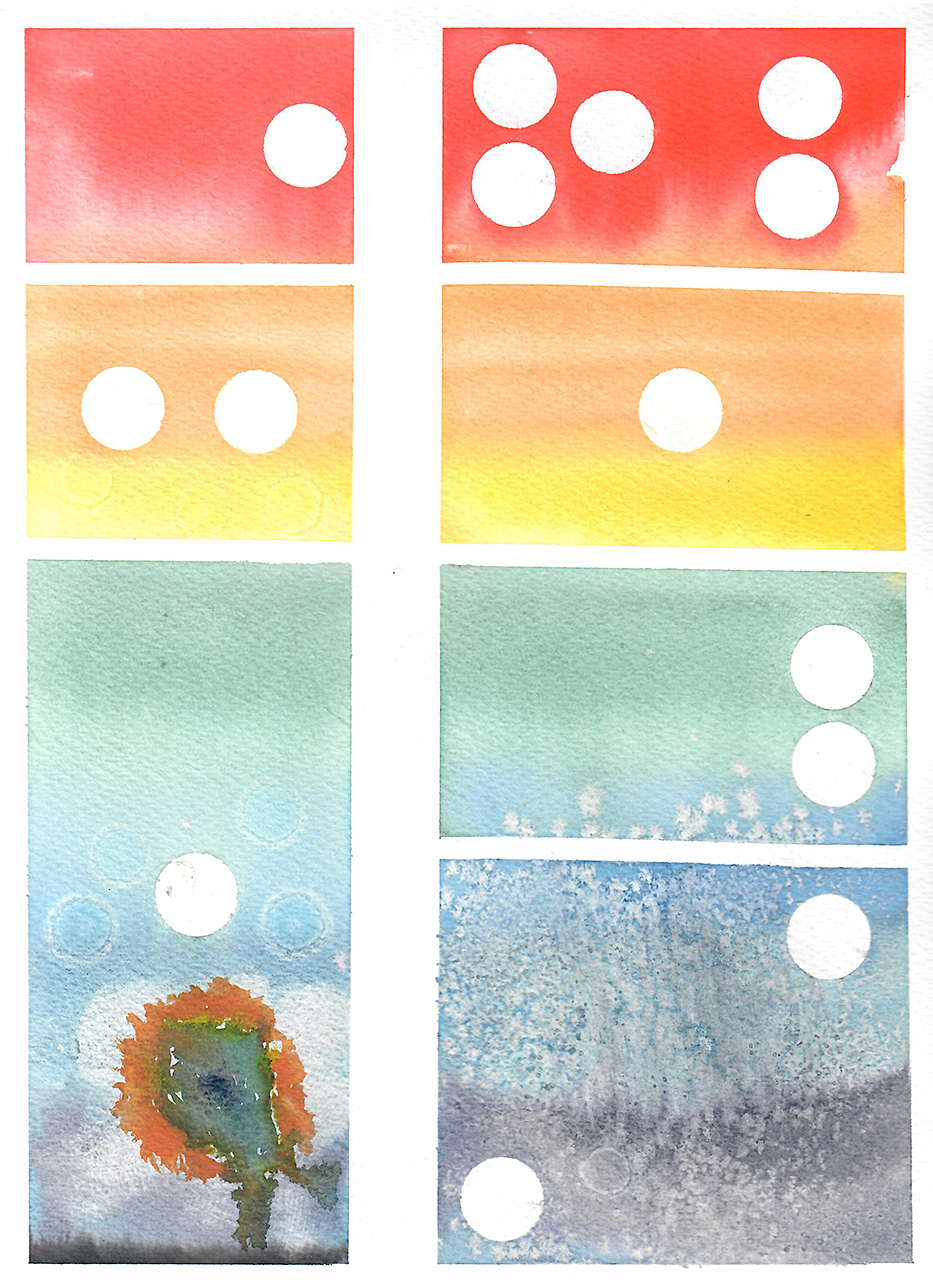
I liked the idea of this, but I didn’t like the final product. I made another pass. I spent about thirty minutes setting things up again, then painted this:
Better, but still not what I wanted. I realized that the vertical orientation made the painting look like a page from a comic book. As a comic-book nerd, I liked that. So, I switched back to vertical. Also, because of my theme (about which I’m being very secretive, sorry), I decided I wanted intense colors, so I squeezed out more paint from the tubes. I ended up with this:
I liked this. A lot. In fact, this is where I stopped. It was exactly what I was trying to express. The one downside is that I’d run out of my thin tape, so I had to use wide tape down for most of it. Not ideal. Still, I took this to class.
My abstract art was the only thing that looked remotely like this. Everyone else took something from real life — a couple under an umbrella, a bunch of carrots, a tomato — and abstracted those things. I was the only one who abstracted a concept and tried to tell a story. All of the paintings were fun though. We students enjoyed the assignment.
On Thursday afternoon, I bought some more thin tape. I did a final version of my abstract painting that looked like this:
Perfect! This is the story I wanted to convey.
When I showed it to Kim, she had some feedback. “I still don’t like those dots,” she said. I haven’t even told her what they represent. Like I said, I’m, being secretive about the theme of this painting…but each dot means something and none of them can be removed. “I think maybe you could keep one dot. It would look like the rising sun! Also, I’m not a fan of the grid. I know you think it looks like a comic book, but I think it’d look better without them. But you know what I do like? This blue in the lower right. It looks like roots sinking into the earth. In fact, the whole thing looks like a sort of landscape.”
Huh. When I looked at it through her eyes, I could see that she was right. If I removed the gridlines, it really might look like an abstract landscape. I went downstairs to make another attempt.
Okay, okay. This had promise. I didn’t like the alcohol dots, and I wished I had used more saturated color, but I could see how this might look cool. I set everything up again and made another pass. This was the result:
Nice! Almost there. The paint had been too thick on this pass, so it didn’t want to bleed as much, especially at the bottom. Plus, I ended up with two globs of chunky paint on the paper when I was finished. I had to fish those off. (You can see the spots they landed, though, in the green and the blue on the right.)
I decided to make another pass. So, this is what I painted last night:
It’s not exactly what I want, but I have to stop for now. I ran out of my purple paint. I’d used an entire small tube (5ml) of Daniel Smith’s Moonglow in order to produce these seven paintings.
When I showed the final two paintings to Kim this morning, she really liked them — especially #6 (the one with the thicker, more intense colors). I feel like I’m finished with this for now, but might revisit in the future. The more I work with this, the more I understand how to achieve the effects I want. (I particularly like the crystalline formations that result from the table salt. Very nice. Looks like organic creatures or plants!)
This project made me realize why art can be so expensive sometimes. Here are my material costs for this project:
- About $15 for paper. (I used seven sheets of good quality paper. It costs just over $2 per sheet.)
- About $7 for the tube of Moonglow paint.
- An unknown amount of money for the other paint. But if we were to assume seven colors times $7, that’d be $49! Plus maybe a buck for the black paint I used. So, that’s about $50 in paint.
My total cost, then, is somewhere on the order of $65 to produce these seven pieces.
Now, admittedly I’m using an unconventional watercolor style here. Watercolor paint is meant to be used sparingly. In 99.9% of cases, your pigment is very dilute when applied to paper. I was trying something…experimental. But still. My point is that art can be expensive because it takes time, money, and creativity to produce. (At this point, I probably have eight hours into this project.)
I enjoyed creating these abstract paintings. Every other painting assignment we’ve had has been pretty specific. Paint these birds. Paint a winter landscape. Paint a jellyfish. And while it’s true that I’ve done a couple of projects for myself, they were all based on existing works. This was the first time I’ve conceived something of my own from start to finish. All of this is out of my head. None of it is based on anything else. I’m proud of that.
The best part? I’ve discovered a couple of new techniques that excite me. I really like the intense colors, even though I know that’s not “proper” watercolor technique. And I especially like the comic-book style panels. You can bet that I’m going to return to this concept again and again and again.
I’m eager to go downstairs and paint, but I don’t have time today. I’ve got other projects that need to be completed. But I’ll get some more painting in soon. Our next assignment is to paint a still life of fruit.
It seems strange to think that I’ve reached the end of my fifth week of watercolor classes. The time has passed quickly. At last, though, I’m beginning to feel like I can do something besides “childish scrawls with crayons”. There are still plenty of those, no doubt, but every so often I create something that I like. The last painting I’ll share today is something that I like.
I missed last week’s classes because I was in New Orleans for Fincon 2023. I took a small travel watercolor set with me, but I didn’t use it once. I was too busy having fun.
Returning home, I wanted to follow the written assignment from my instructor, but I was just too tired to go downstairs to paint. No worries. Because this is a community ed class, it’s very very chill.
At Tuesday’s class, we learned how rubbing alcohol interacts with water and pigment. We have homework to use these techniques to paint dandelions, but we also practiced in class. For the first time ever, I like my in-class project enough to share it here. (Usually my in-class projects are a mess because I’m learning some new technique.)
Here are some dandelion puffs created using masking fluid as a resist. It’s tough to tell, but there are some “blotches” on the background wash that were created using alcohol in a mist sprayer.
This piece took maybe 30 minutes of in-class time. The bulk of that time was working with masking fluid.
After Tuesday’s class, I tried to parse the written instructions for Thursday’s assignment. Because I’d missed the class where my instructor (Vikki) explained things, I had to guess at some of what she wanted. (The written instructions aren’t complete. They’re meant to be a reminder of what she covered in class. Kind of like a technical challenge on The Great British Baking Show, if that makes sense.)
What Vikki wanted was a sort of abstract piece with simulated trees. We were practicing negative painting, which is where you paint around your subject instead of painting it directly. The other students created stylized rainbow-colored pieces. I created this literal grove of trees.
![[painting of a deep, dark woods]](https://jdroth.com/wp-content/uploads/wc0006-into-the-woods-scaled.jpg)
This piece took three hours to produce. I also spent three hours working on a (failed) test version that taught me a lot about how to make a second pass. I did use negative painting to produce this, but then I went back and filled in details on the trees. I don’t think we were supposed to do that.
In any event, I do not hate this. It looks less like childish scrawls with crayons than previous efforts. Now it looks like “adult scrawls with crayons” haha. (One of my fellow students really liked this, though, which was edifying.)
As a side note, I’m a little shocked at how much like me this piece looks. What I mean by that is my “art” — anything visual I’ve ever produced — has had a specific look every since second grade. This has that look. It’s very clear in the shape of the trees. I always find it interesting when certain artists have a certain style, and I’ve wondered whether that’s deliberate. I’m beginning to think the answer is “no”. It’s just how they draw or paint or whatever. I didn’t deliberately set out to make “J.D. trees”. It’s just how I make trees.
One issue that I’m having is that my tonal values are all relatively flat. Everything tends to be very, very dark. That’s part of what gives me my “childish scrawls with crayons” look. I’m trying to get a range of values in my paintings, but I’m mostly failing.
Because of this, I decided to do my first independent project. I took four hours Wednesday morning to follow along to
Although this woman is painting…thistles? imaginary flowers?…I thought I could work on painting dandelions instead. So, that’s what I did. And for once, I was able to get some tonal variation!
![[painting of a meadow filled with flowers]](https://jdroth.com/wp-content/uploads/wc0007-misty-meadow-scaled.jpg "I like this quite a bit")
This piece took four hours to produce. It was my only attempt.
Sure, there could be more variation here, but I’m not displeased. In fact, I like this. What’s more, working on this gave me some confidence that I didn’t have before.
You see, I’ve been watching a lot of watercolor videos on YouTube thinking, “I’m so far from being able to do that.” This was one of those videos. I watched it and dismissed it as too advanced. But then after learning how to paint dandelions, I got to thinking I ought to at least try it. So I did. And the results were great!
Now I want to go back and revisit some of the other YouTube projects I’ve liked. I want to see whether I can get close to what the artists are doing. I just might be able to.
Kim is gone all day today (Friday) and Sunday. Translation: I have a lot of time on my hands to work on watercolors. I think I’m going to drive north to McMinnville this morning to visit The Merri Artist once more. (I want to try some different watercolor paints.) But once I get home, I’ll descend to my basement studio, crank up 1989 (Taylor’s Version), and get to painting.